

This week was packed with bold creative plays, big platform changes, and rising regulatory action, all contributing to the ever-evolving landscape of marketing trends. From Nike’s horror-themed football campaign to TikTok’s new creator tools and Adobe’s latest AI rollout, brands are pushing boundaries while governments and platforms evolve. These 10 marketing trends should inform your next move and help you stay ahead in the dynamic world of marketing.
Table of Contents
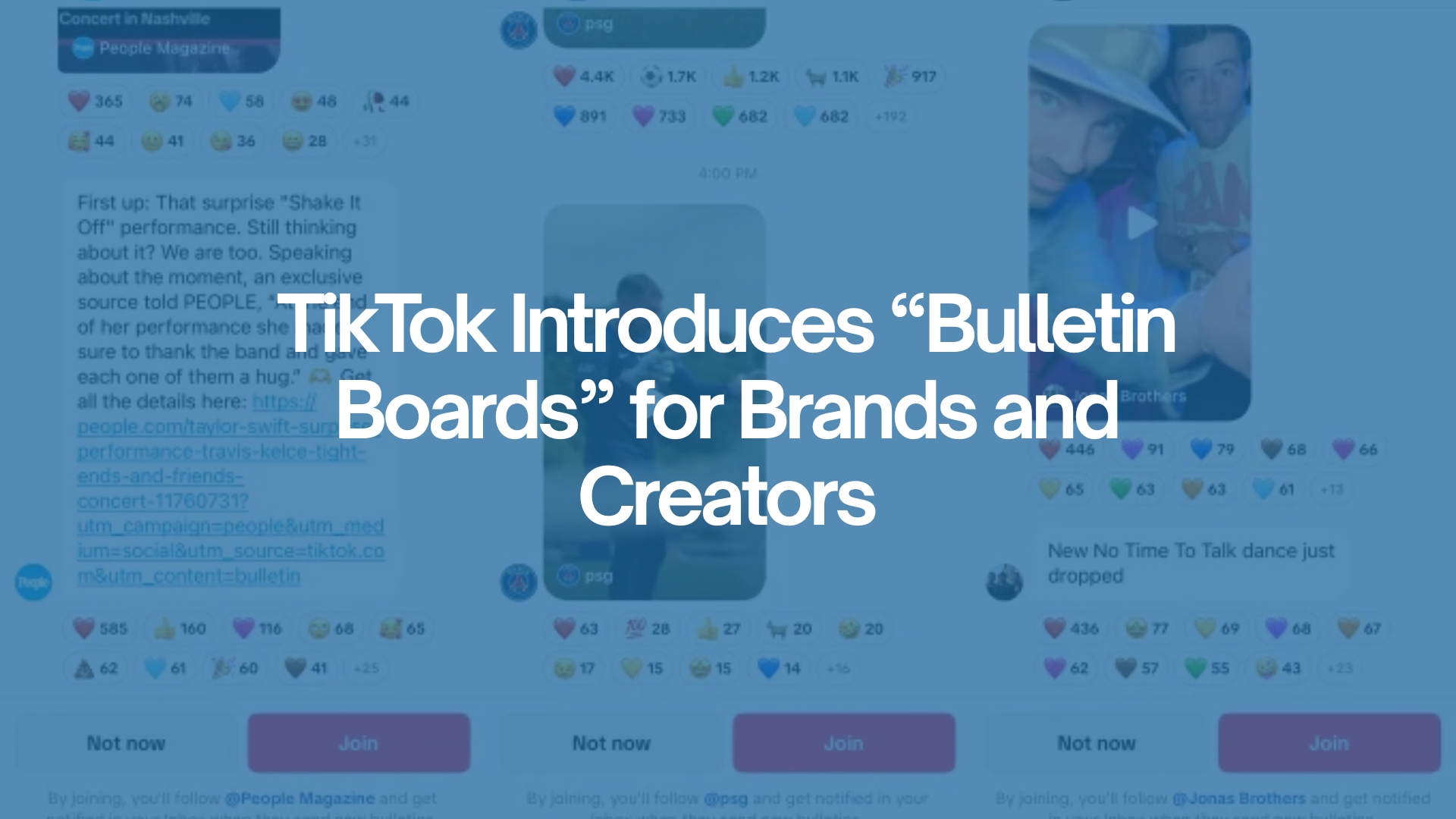
1. TikTok Introduces “Bulletin Boards” for Brands and Creators
What happened: TikTok is testing “Bulletin Boards,” a new one-way messaging channel where creators and brands can send up to 20 messages per day to subscribers. Fans can react with emojis but cannot reply.
Why this matters for your strategy: This significant marketing trend gives brands a direct subscriber feed, like a broadcast channel with TikTok flair, offering a new avenue for direct engagement.
What to do now:
- Plan how to use this as a VIP channel.
- Consider it for product drops, polls, or behind-the-scenes content.
- Explore early access offers for subscribers.
2. Trump Says TikTok Has a U.S. Buyer Lined Up
What happened: Donald Trump announced that a group of “very wealthy people” is prepared to buy TikTok’s U.S. operations pending regulatory approval. The deal is not confirmed by TikTok or the Chinese government.
Why this matters for advertisers: If this deal goes through, it could reduce uncertainty for U.S. advertisers and unlock new business partnerships or features, potentially shifting a major marketing trend related to social media advertising.
What to do now:
- Monitor official news closely.
- Be prepared to explore early access deals or preferred campaign positioning once ownership is clarified.
3. Nike Launches “Scary Good” Football Campaign
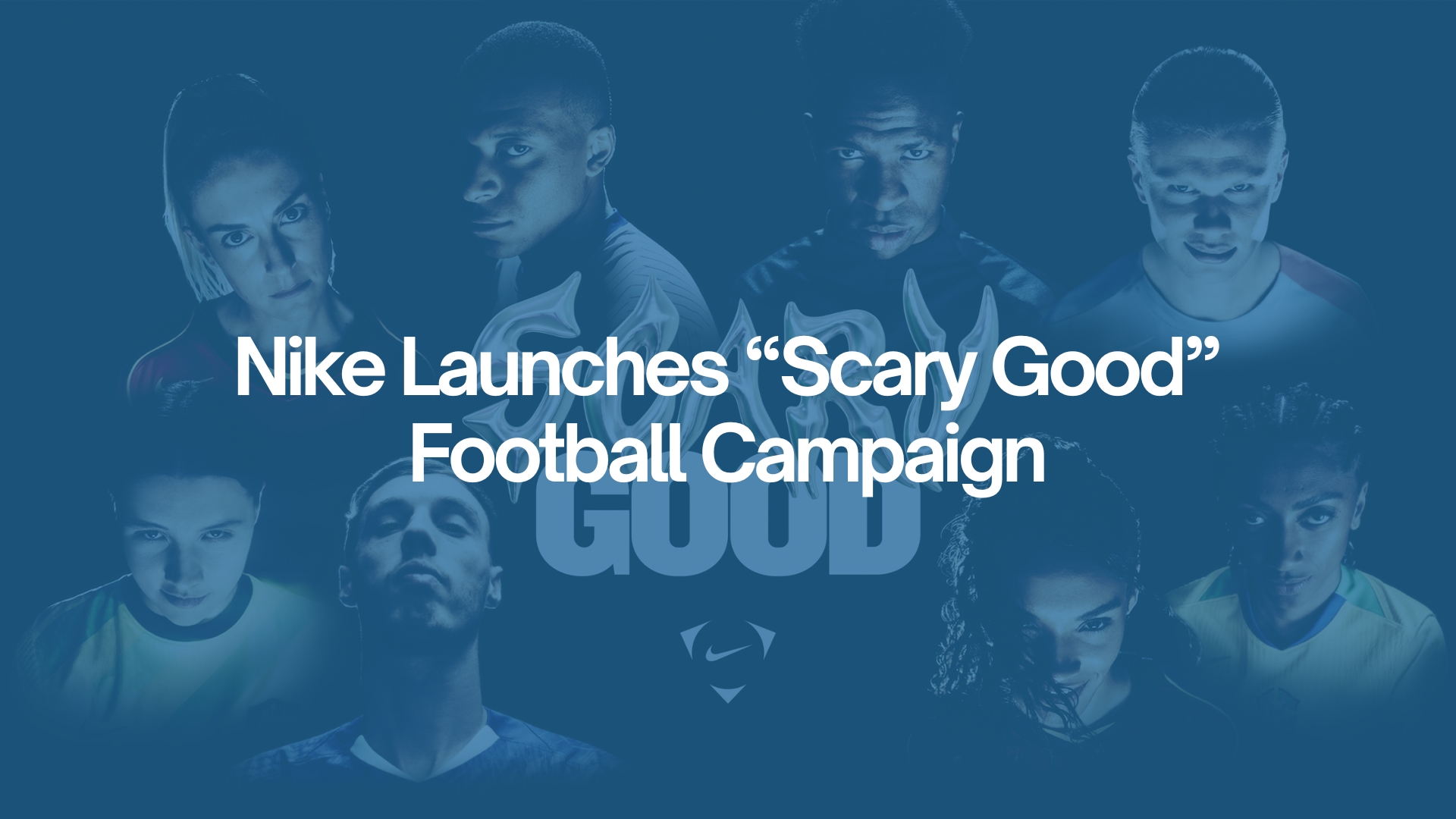
What happened: Nike Football debuted “Scary Good,” a cinematic horror-themed campaign featuring Mbappé, Putellas, and Haaland in dramatic shorts like haunted hotlines and mock infomercials.
Why this influences creative marketing: This creative marketing trend shows Nike pushing football into the realm of cultural storytelling with bold cinematic flair, demonstrating how brands can use unexpected genres.
What to do now:
Think about how a creative genre like horror or satire could powerfully frame your next campaign concept.
4. X Removes Hashtags from Promoted Posts
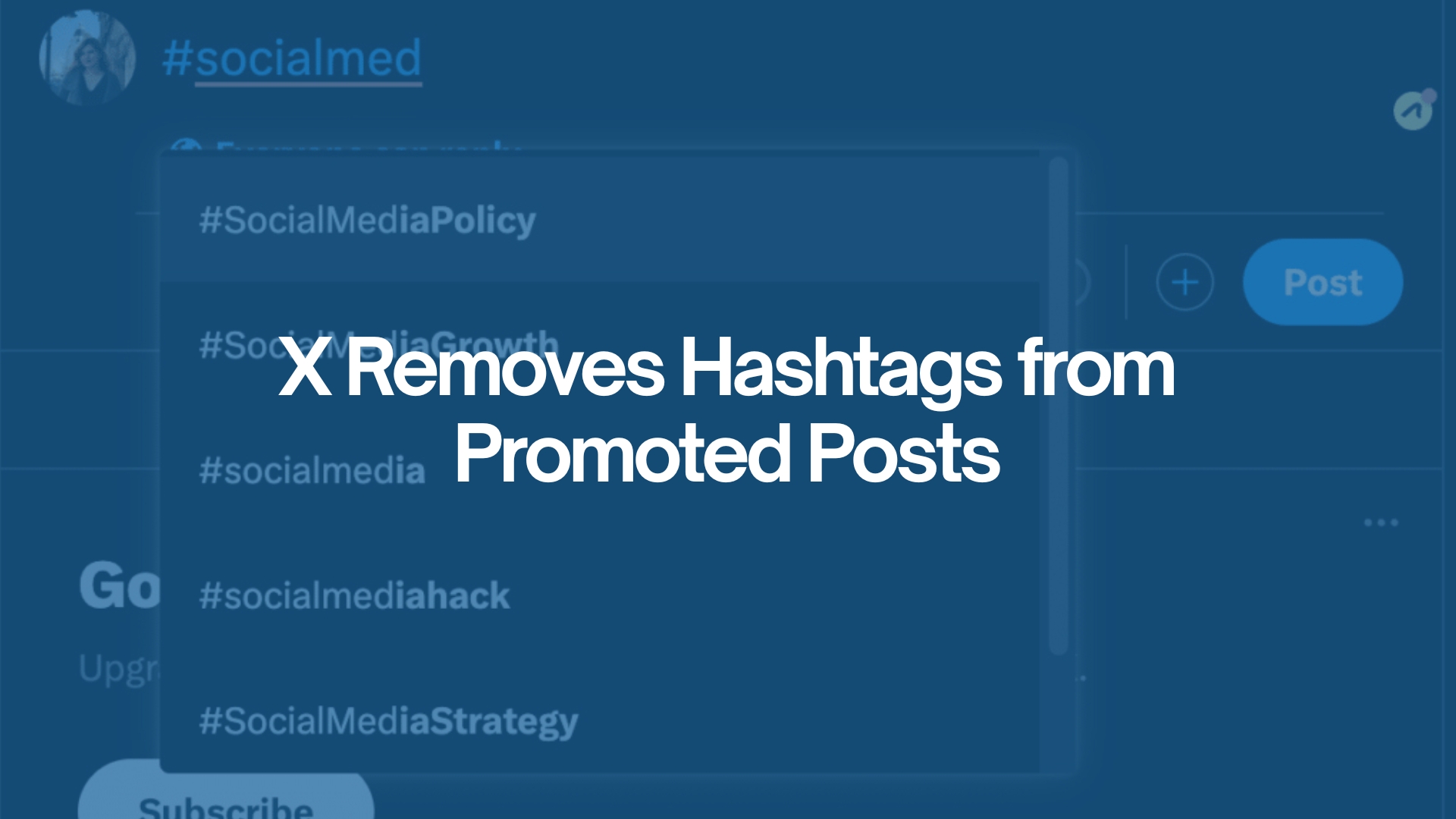
What happened: Elon Musk announced that promoted posts on X (formerly Twitter) will no longer show hashtags; ads will carry only an “Ad” label.
Why this impacts ad targeting: This change in platform functionality means brands can no longer rely on hashtag-based targeting or discovery for promoted content. Every word in your ad copy must count, impacting a long-standing marketing trend.
What to do now:
- Update ad copy to remove hashtags.
- Add UTM tracking to your ads.
- Focus on sharp visuals and clear calls to action.
5. Brazil Rules Platforms Are Responsible for User Posts
What happened: Brazil’s Supreme Court ruled that platforms like Google, Meta, TikTok, and X can be held legally liable for user-generated content containing hate speech or violence, even without prior notice.
Why this changes platform accountability: Platforms face more direct accountability, increasing brand risk and enforcement expectations. This regulatory marketing trend will influence content moderation strategies globally.
What to do now:
- Review your moderation and UGC strategy in Brazil.
- Strengthen content filters and crisis protocols to stay compliant with this evolving marketing trend.
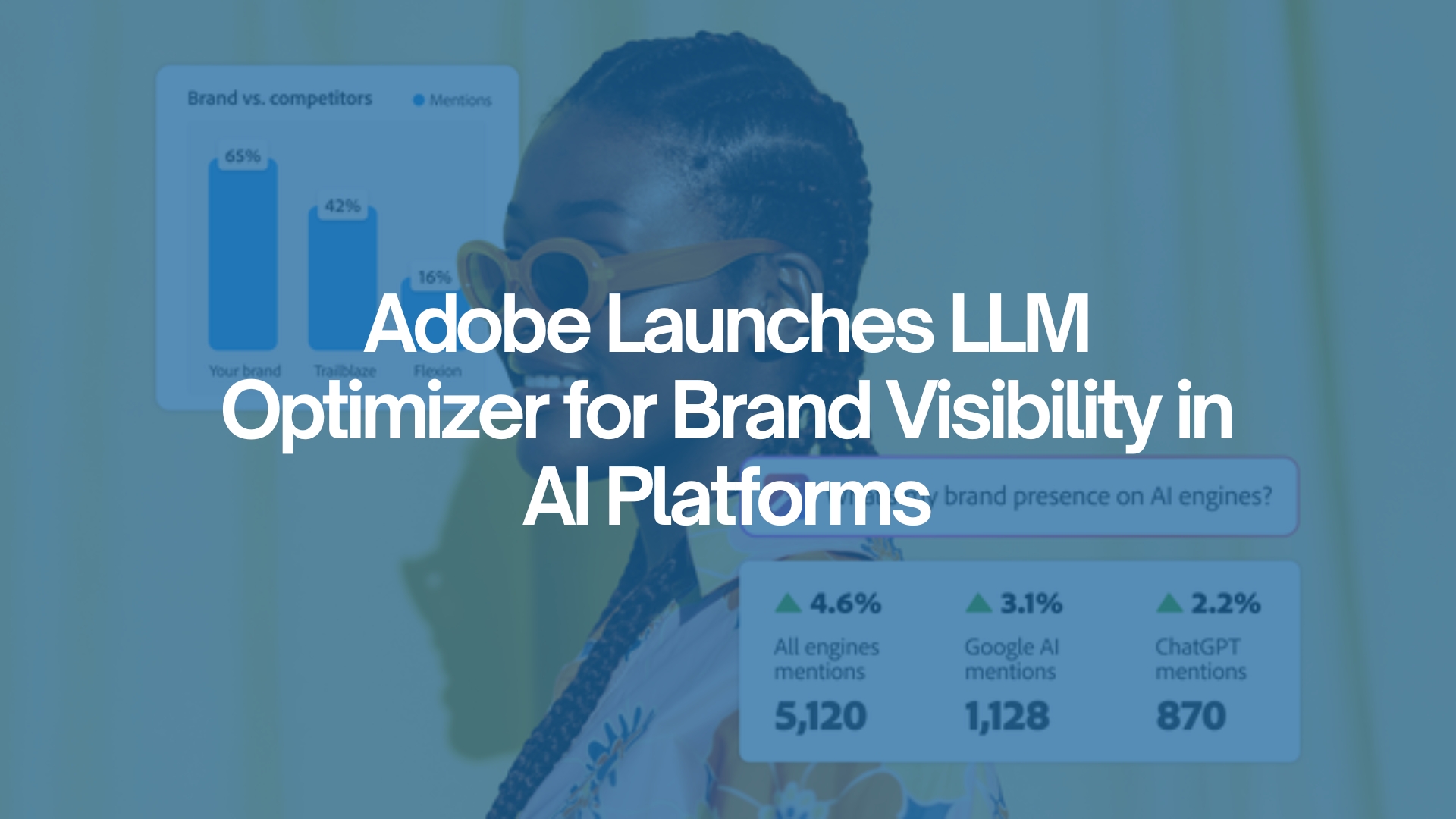
6. Adobe Launches LLM Optimizer for Brand Visibility in AI Platforms
What happened: Adobe launched LLM Optimizer, a new tool that helps brands improve their presence in generative AI search and chat. It’s part of Adobe Experience Cloud and is paired with fresh generative ad tools inside GenStudio.
Why this is crucial for AI visibility: As users increasingly search and shop through AI interfaces, brand visibility must be actively managed in new, nontraditional spaces. This is a critical marketing trend for future digital presence.
What to do now:
- Start exploring how your content surfaces in AI chat and search.
- Use tools like LLM Optimizer to identify gaps and test new generative ad formats.
7. Luxury Brands Shift to Direct Messaging with VIP Customers
What happened: Brands like Dior and Louis Vuitton are bypassing public feed ads and using DMs or Instagram Close Friends to connect personally with influencers and top customers.
Why this transforms VIP engagement: This particular marketing trend emphasizes exclusivity as a powerful marketing tactic: intimate access often beats scale for VIP engagement and brand loyalty.
What to do now:
- Test small-batch DM campaigns offering early access or personalized touches.
- Measure their effectiveness versus broader paid campaigns to understand this trend’s impact.
8. CMOs at Cannes Double Down on AI
What happened: At Cannes Lions, CMOs from Salesforce, BCG, e.l.f., and others said they expect to spend over $10 million annually on AI tools to support creativity, personalization, and workflow.
Why this highlights AI as a core investment: AI is now considered a core marketing investment, not just a support utility. This demonstrates a significant and accelerating marketing trend in technology adoption.
What to do now:
- Audit your current AI investments.
- Allocate budget to creative and customer-facing AI use cases.
- Set clear KPIs to prove AI’s impact.
9. Nostalgia Emerges as a Creative Powerplay
What happened: Cannes campaigns leaned heavily into 90’s and early 2000s nostalgia, using retro packaging, jingles, and iconic branding, with strong resonance among Gen Z and Millennials.
Why this resonates with modern audiences: Nostalgia creates instant emotional attachment and trust in a distracted world, proving to be an enduring marketing trend for audience connection.
What to do now:
- Pinpoint nostalgic assets from your brand’s history.
- Create test ads using those assets.
- Analyze what drives higher engagement.
10. Agentic AI Enters Marketing Strategy Stage
What happened: Brands like Diane von Furstenberg and LVMH are implementing agentic AI, autonomous AI agents, for tasks like supply planning, virtual styling, or campaign brainstorming.
Why this shifts AI’s role in strategy: AI is evolving from a helpful assistant to an initiative-taking strategist, representing a profound marketing trend that will reshape workflows.
What to do now:
- Explore using an AI agent in a specific area (e.g., marketing ideation, customer support, personalization).
- Pilot its impact within your organization.
Ready to Take Action
Want to learn more about how these trends can impact your company? Schedule a free marketing check up call with our Cadico team. We’ll review your current strategy, identify opportunities and share actionable insights tailored to your goals.
FAQ: Understanding Current Marketing Trends
Q: What are the latest marketing trends in social media this week? A: This week’s top social media marketing trends include TikTok’s new “Bulletin Boards” for direct brand-to-subscriber communication and X’s removal of hashtags from promoted posts, requiring a shift in ad copy strategy.
Q: How is AI currently impacting marketing strategy and visibility? A: AI is a major marketing trend, with Adobe launching its LLM Optimizer to help brands appear in generative AI search and chat. CMOs are also significantly increasing their investment in AI tools for creativity, personalization, and workflow, even adopting “Agentic AI” for strategic tasks.
Q: What new approaches are brands taking for storytelling and customer engagement? A: Brands like Nike are embracing bold, cinematic storytelling (e.g., horror-themed campaigns), while luxury brands are shifting to exclusive direct messaging with VIP customers. Nostalgia marketing, leveraging 90s and early 2000s themes, is also a powerful marketing trend for creating emotional connections.