

This week’s marketing trends highlight the dynamic intersection of bold creativity, tech innovation, and evolving regulatory landscapes. From American Eagle’s “anti-ad” disrupting traditional pitches to Facebook’s crackdown on unoriginal content, marketers must prioritize agility. With AI’s growing influence across entertainment and search, and athletes stepping into new roles, this week offers crucial lessons and opportunities. Here are 10 marketing trends you need to understand and act on right now.
Table of Contents
American Eagle & Sydney Sweeney Flip the Script on Advertising
Back-to-School Shopping Starts Earlier: A Shifting Marketing Trend
Facebook Demotes Unoriginal Content
OpenAI’s ChatGPT Agent: Automating Marketing Workflows
Netflix CEO on AI: Enhancing Creativity, Not Just Cutting
DuckDuckGo Adds Option to Hide AI-Generated Images in Search
Companies Push Back Against EU AI Code of Practice
Scotty Scheffler Stars in New Nike Campaign
Amazon’s “Project Zero” Fights Counterfeit Products
TikTok Tests “Shop Now” Button in Video Comments

1. American Eagle & Sydney Sweeney Flip the Script on Advertising
What happened: Actress Sydney Sweeney partnered with American Eagle for an “anti-advertising” campaign that rejects conventional sales tactics. It leverages raw, candid footage and sarcastic humor to critique overly polished marketing while showcasing the brand’s authentic, sustainable denim.
Why this matters for your strategy: Consumers are increasingly valuing authenticity. This campaign cuts through ad fatigue by being self-aware and humorous, demonstrating that brands can be genuine and still effectively promote their products. This is a key marketing trend toward transparency.
What to do now:
- Embrace honesty and vulnerability in your messaging.
- Use humor or satire to stand out from traditional ads.
- Highlight real stories and behind-the-scenes content that reinforce brand values.

2. Back-to-School Shopping Starts Earlier: A Shifting Marketing Trend
What happened: A new report indicates over 40% of U.S. parents began back-to-school shopping before July. Retailers are launching promotions earlier, and children are influencing purchase decisions earlier in the summer.
Why this matters for advertisers: This early buying trend means brands must adjust campaign timelines to capture attention before competitors. It also underscores the rising influence of Gen Z and younger demographics in family purchasing.
What to do now:
- Launch back-to-school campaigns and promotions earlier than usual.
- Target parents and kids with distinct, tailored messaging.
- Utilize segmented email and social ads to reach early shoppers with a sense of urgency.
3. Facebook Demotes Unoriginal Content: A Push for Authenticity in Marketing
What happened: Meta announced that Facebook’s algorithm will reduce the reach of unoriginal content, including recycled videos and low-value reposts. This update specifically targets pages heavily reliant on copied material.
Why this matters for advertisers: Authenticity and originality are becoming crucial for organic reach. Brands and creators must prioritize fresh, valuable content to maintain visibility on platforms like Facebook.
What to do now:
- Audit your content library for reposted or low-effort posts.
- Invest in original storytelling, unique perspectives, and exclusive insights.
- Encourage creators and team members to consistently produce fresh content.

4. OpenAI’s ChatGPT Agent: Automating Marketing Workflows
What happened: OpenAI released ChatGPT Agent, a customizable AI assistant designed to automate workflows and interact with other applications. Businesses can create agents for tasks like scheduling, customer service, and data analysis.
Why this matters: This marks a shift from AI as a simple chatbot to a proactive virtual team member. Marketers can leverage these agents to streamline repetitive tasks and personalize customer interactions at scale, a significant marketing trend for efficiency.
What to do now:
- Identify repetitive or time-consuming marketing tasks suitable for automation.
- Pilot ChatGPT Agent with specific workflows, such as lead qualification or social media scheduling.
- Monitor and adjust the agent’s performance to ensure it aligns with your brand voice and quality standards.
5. Netflix CEO on AI: Enhancing Creativity, Not Just Cutting Costs
What happened: Netflix’s CEO stated that AI will enhance creativity and storytelling in film and TV, rather than merely reducing production costs. He emphasized AI’s role in ideation, visual effects, and script refinement, with human artistic vision remaining central.
Why this matters: This signals a broader marketing trend where AI is seen as a creative partner, not just a cost-cutting tool. Marketers should view AI as a means to improve content quality and generate innovative ideas, not just boost efficiency.
What to do now:
- Review your moderation and UGC strategy in Brazil.
- Strengthen content filters and crisis protocols to stay compliant with this evolving marketing trend.

6. DuckDuckGo Adds Option to Hide AI-Generated Images in Search
What happened: Privacy-focused search engine DuckDuckGo introduced a setting allowing users to hide AI-generated images in search results, responding to increasing demand for transparency and control over AI content.
Why this matters: Consumer sensitivity to AI-generated content is rising. Offering users control builds trust and presents an opportunity for brands to clarify whether their content is AI-created or human-made. This highlights a growing marketing trend in ethical AI use.
What to do now:
- Clearly label AI-generated visuals and content in your marketing materials.
- Educate your audience on your use of AI tools and your ethical guidelines.
- Monitor user sentiment regarding AI content and adjust your messaging accordingly.
7. Companies Push Back Against EU AI Code of Practice: Regulatory Trends
What happened: Several major tech and marketing companies expressed concerns over the EU’s proposed AI Code of Practice, citing vague rules and potential innovation roadblocks. Industry groups are advocating for clearer, more agile guidelines.
Why this matters: Regulatory frameworks around AI are rapidly evolving and will significantly impact how marketers deploy AI tools globally. Staying informed and engaged with these developments is crucial.
What to do now:
- Monitor AI regulatory developments, especially if you operate internationally.
- Consult legal and compliance experts to prepare for new requirements.
- Build adaptable AI strategies that can pivot with changing regulations.
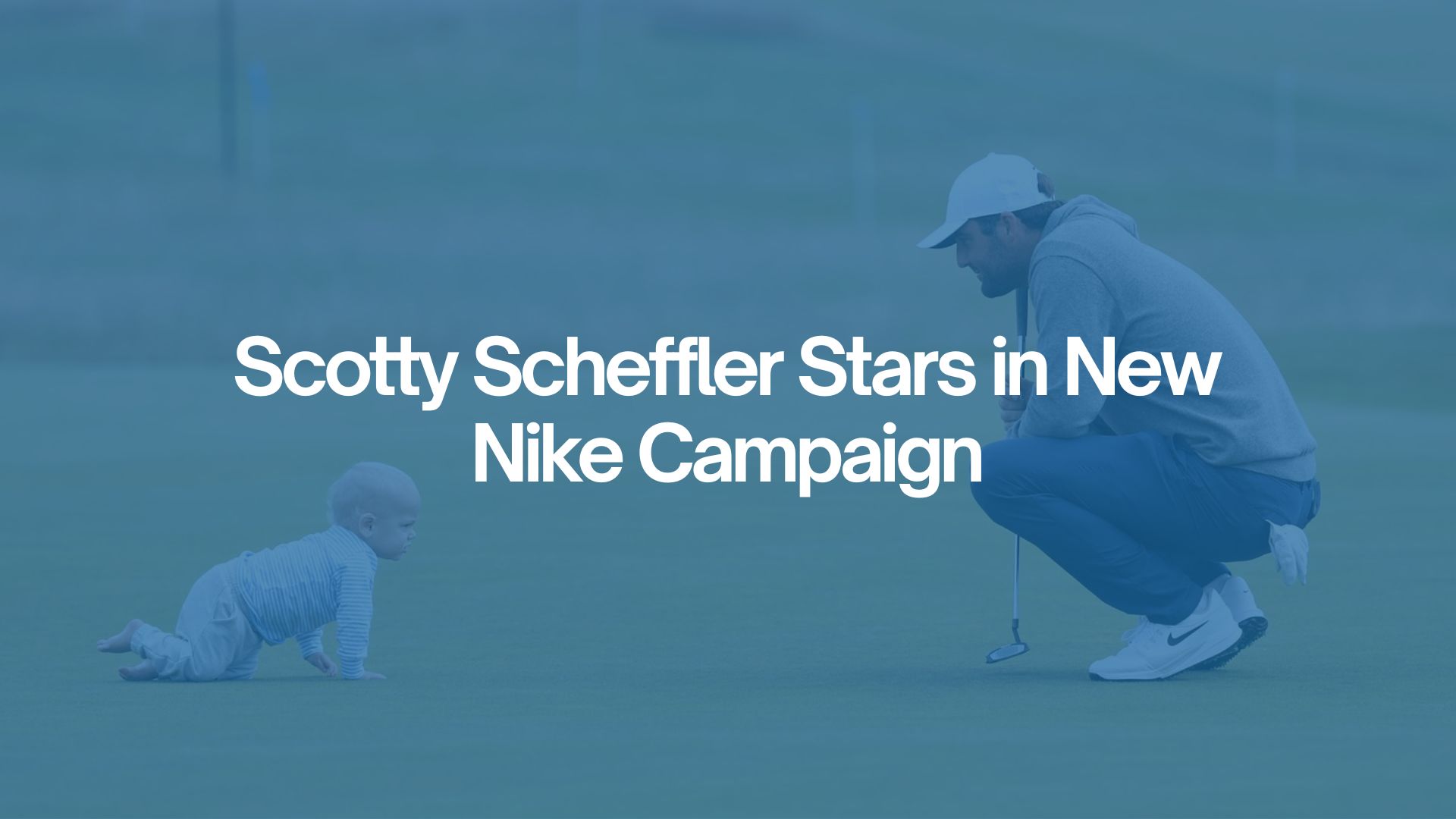
8. Scotty Scheffler Stars in New Nike Campaign: Athlete Marketing Trends
What happened: Nike launched a new campaign featuring professional golfer Scotty Scheffler, showcasing their latest athletic wear designed for performance and style. The ads blend Scheffler’s championship mindset with sleek product shots and aspirational storytelling.
Why this matters: Sports endorsements remain highly effective, but the most impactful campaigns genuinely connect the athlete’s values with tangible product benefits. Nike continues to set a high standard in this space.
What to do now:
- Partner with influencers or athletes whose values genuinely align with your brand.
- Develop narratives that combine lifestyle, performance, and aspiration.
- Leverage multi-channel activations, including video, social media, and out-of-home advertising for maximum impact.
9. Amazon’s “Project Zero” Fights Counterfeit Products: Trust in E-commerce
What happened: Amazon expanded “Project Zero,” a program that uses machine learning and brand-verified tools to detect and remove counterfeit listings faster. This system gives brands more control over their storefronts and product authenticity.
Why this matters: Trust is paramount in e-commerce. By empowering brands to police their products, Amazon is raising the bar for quality and customer confidence, reflecting a continuous marketing trend toward brand protection.
What to do now:
- Enroll your brand in Project Zero or similar marketplace programs.
- Proactively monitor listings for counterfeit or unauthorized sellers.
- Clearly communicate authenticity guarantees to your customers.
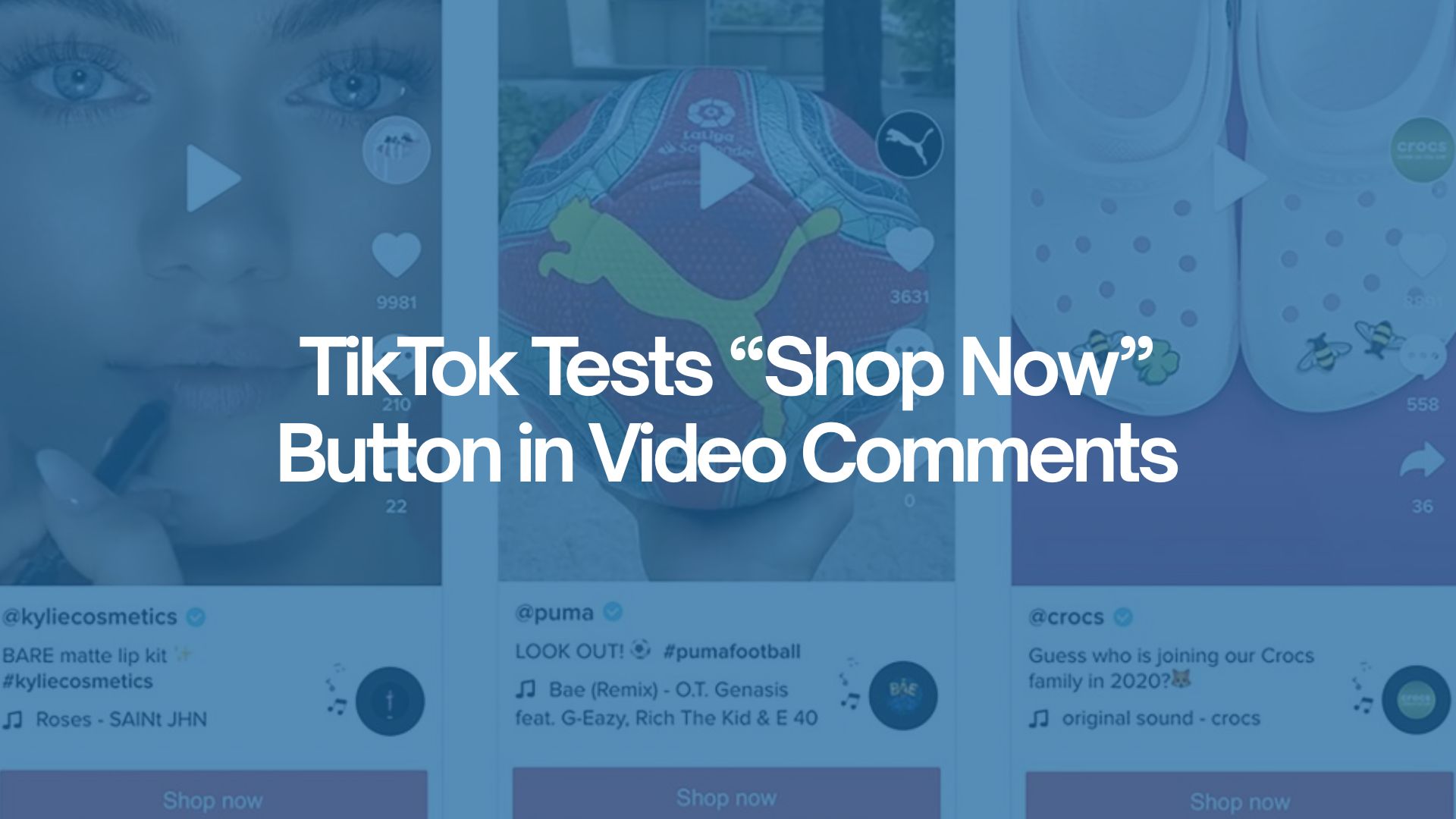
10. TikTok Tests “Shop Now” Button in Video Comments: Social Commerce Trends
What happened: TikTok began experimenting with a “Shop Now” button directly within video comments. This allows viewers to tap and purchase featured products without leaving the app, streamlining the buying process.
Why this matters: TikTok is lowering conversion barriers by embedding commerce deeper into content discovery. This could significantly boost impulse purchases and offer brands new ways to monetize viral content, a critical marketing trend in social commerce.
What to do now:
- Create TikTok videos that clearly and creatively highlight specific products.
- Encourage your community to engage and organically use “Shop Now” comments.
- Track performance closely to optimize product placements and calls to action.
Ready to Take Action
Want to learn more about how these trends can impact your company? Schedule a free marketing check up call with our Cadico team. We’ll review your current strategy, identify opportunities and share actionable insights tailored to your goals.
FAQ: Understanding Current Marketing Trends
Can small businesses embrace anti-advertising strategies?
Absolutely. Sydney Sweeney’s campaign with American Eagle shows that audiences respond well to honesty and humor. Small brands can stand out by being authentic and relatable rather than trying to sound like big corporations.
When should small businesses start back-to-school marketing?
Earlier than you might expect—starting promotions and messaging in July can help you catch early shoppers before your competitors. Planning ahead also gives you time to adjust campaigns based on customer feedback.
Is AI only for big companies or costly to implement?
Not at all. Tools like OpenAI’s ChatGPT Agent are designed to help automate everyday tasks, saving time and money for small teams. You don’t need a big budget to start experimenting with AI in customer service, scheduling, or content creation.
How can small businesses stay visible as platforms tighten content rules?
Focus on creating original, valuable content your customers care about. Avoid recycling posts or copying others. Freshness and authenticity increase your organic reach and help build trust with your audience.
How should small businesses think about AI-generated content and ethics?
Be transparent. Let your customers know when AI tools are involved in your marketing. Balancing AI efficiency with a human touch builds credibility and shows you respect your audience.
What should small businesses know about new shopping features on TikTok and Amazon?
These platforms are making it easier than ever to sell directly through content. Use TikTok’s new “Shop Now” comments or Amazon’s Project Zero tools to protect your brand and convert interest into sales quickly and simply.
Want to learn more? Click here to read in-depth on everything from this week.
- Sydney Sweeney and American Eagle Anti-Ad Campaign – Adweek
- Early Back-to-School Shopping Stats – NRF
- Facebook Demotes Unoriginal Content – The Verge
- OpenAI Releases ChatGPT Agent – TechCrunch
- Netflix CEO on AI in Filmmaking – Variety
- DuckDuckGo Hides AI Images Option – The Verge
- Companies Push Back Against EU AI Code – Reuters
- Scotty Scheffler Nike Campaign – Sports Illustrated
- Amazon Project Zero Anti-Counterfeit – Amazon News
- TikTok Shop Now Button Tests – TechCrunch