

Staying on top of the latest marketing trends is crucial, and this week delivered a whirlwind of innovation. From advanced creator tools on social platforms to groundbreaking AI applications in commerce, understanding these shifts is key to connecting with your customers. This weekly roundup highlights 10 essential marketing trends, including Instagram’s expanded Trial Reels and Pinterest’s new shoppable auto-collages, that are set to redefine how brands engage.
Table of Contents
1. Instagram Expands Access to Trial Reels
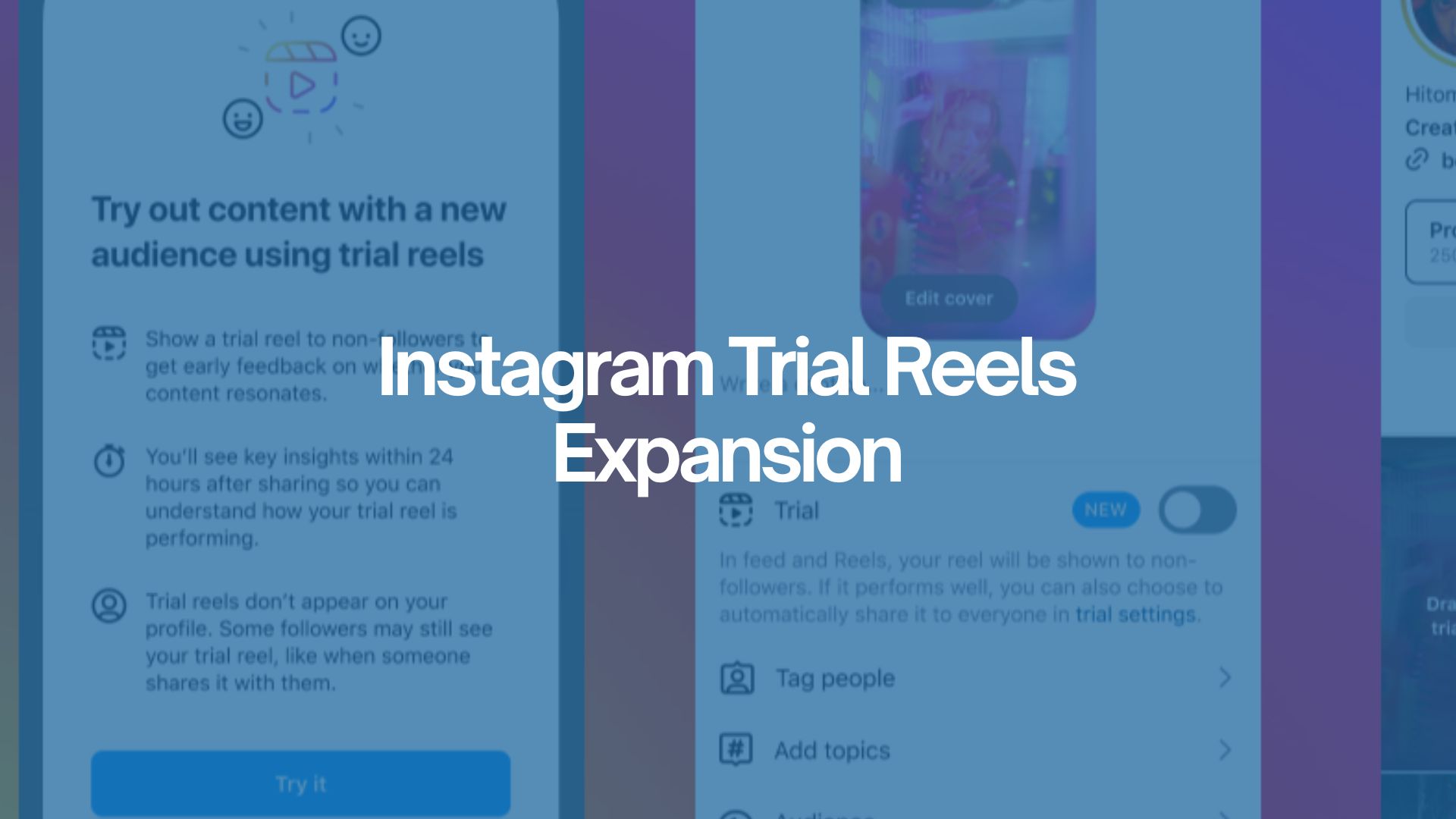
What happened: Instagram opened up Trial Reels—its A/B test feature—to every public account with at least 1,000 followers. Creators can now run up to 20 small‑audience tests per day on clips, gather feedback, then choose which version goes fully public.
Why this matters: You get data‑driven insights before you commit. Optimizing hooks, captions, and pacing ahead of a full launch means higher engagement and less risky experimentation. This is a crucial marketing trend for content optimization.
What to do now:
- Ensure your brand or creator accounts are public and above the follower threshold.
- Repurpose past high‑potential Reels as trial candidates to extend their lifecycle.
- Analyze trial results (views, saves, reach) to refine your final cut.
2. TikTok Launches In‑App Post Scheduling
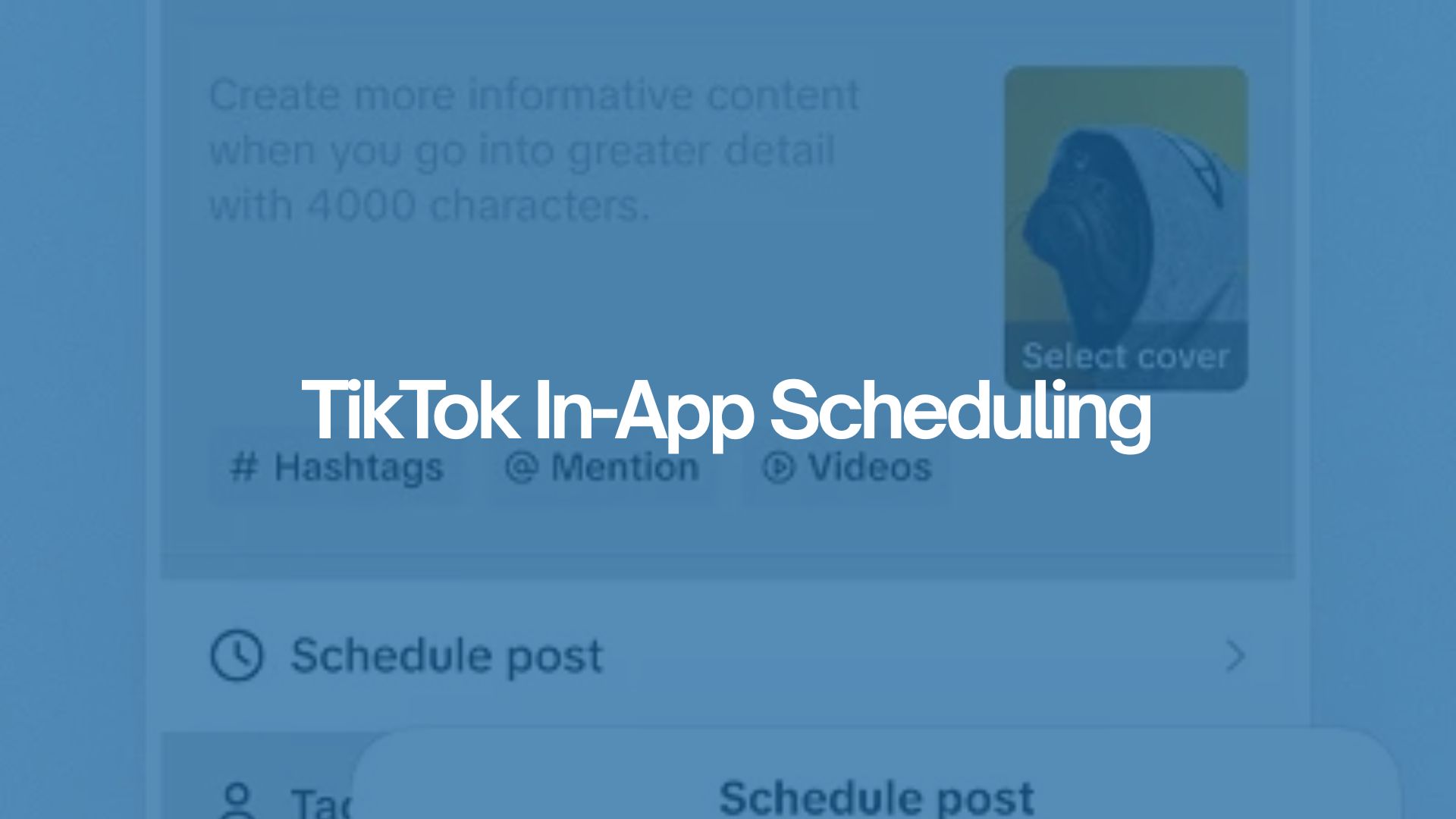
What happened: TikTok added native scheduling for Business and Creator accounts. Now you can pick a date and time—up to 10 days in advance—right in the mobile composer, no desktop required.
Why this matters: Posting consistency is crucial for TikTok’s algorithm. In-app scheduling removes extra steps, letting small teams lock in optimal times without juggling external tools. This streamlines a key marketing trend for short-form video.
What to do now:
- Build your content calendar around posting peaks and schedule in batches.
- Compare engagement metrics on scheduled versus spontaneous posts to fine‑tune timing.
- Free up time for community engagement by batching production.
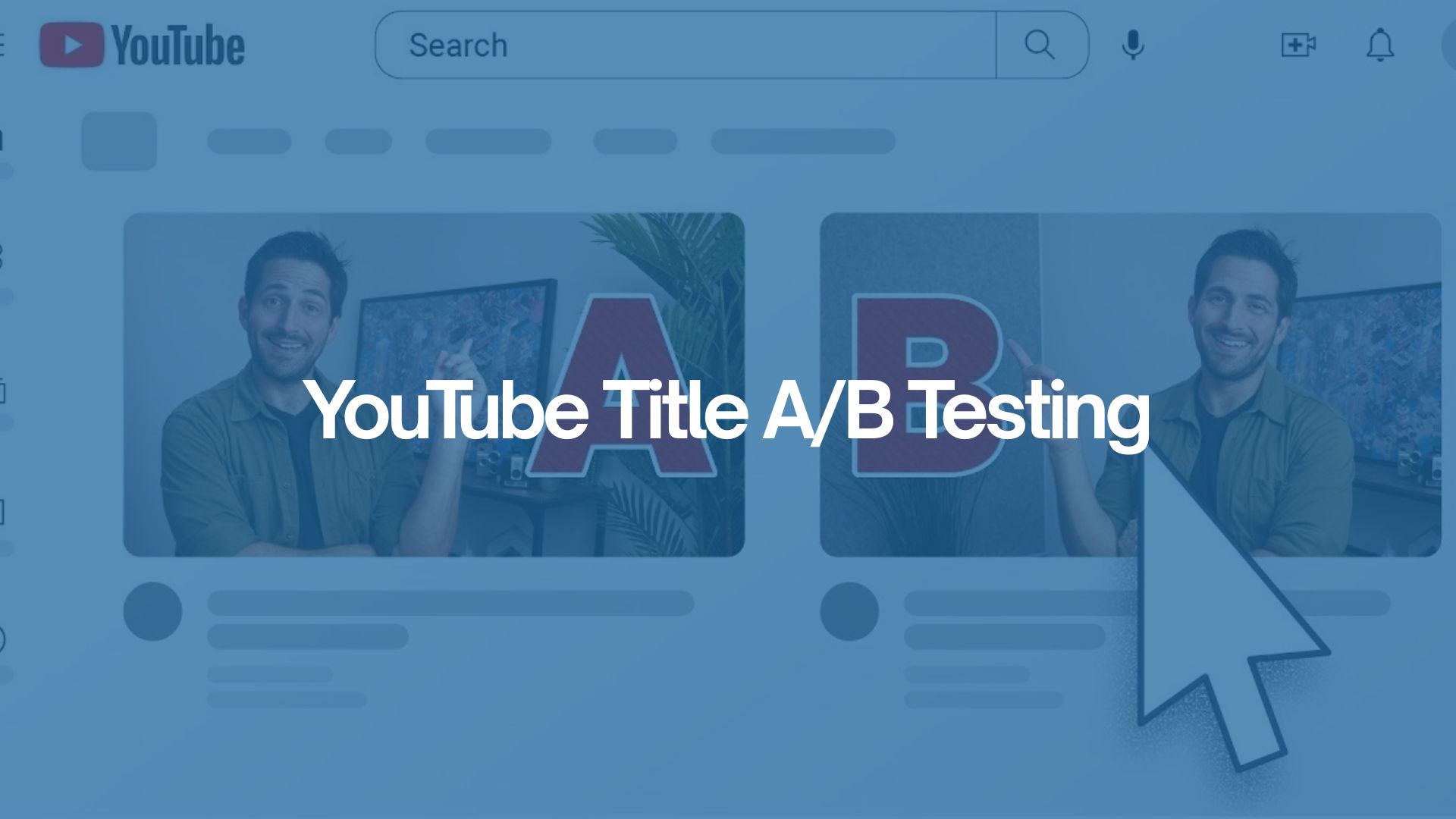
3. YouTube Adds A/B Testing for Video Titles
What happened: YouTube Studio’s Test & Compare feature now supports title experiments. Creators can submit up to three variants, see which drives higher CTR and watch time, and let YouTube auto‑apply the winner.
Why this matters: A strong title can boost views by double-digit percentages. Built-in A/B testing means no more guesswork or separate tools—optimize titles natively for maximum impact. This is a vital marketing trend for video content creators.
What to do now:
- Identify underperforming videos and set up title tests to reclaim lost traffic.
- Track improvements in click-through and average view duration as your success metrics.
- Apply winning title structures and keywords across new uploads.
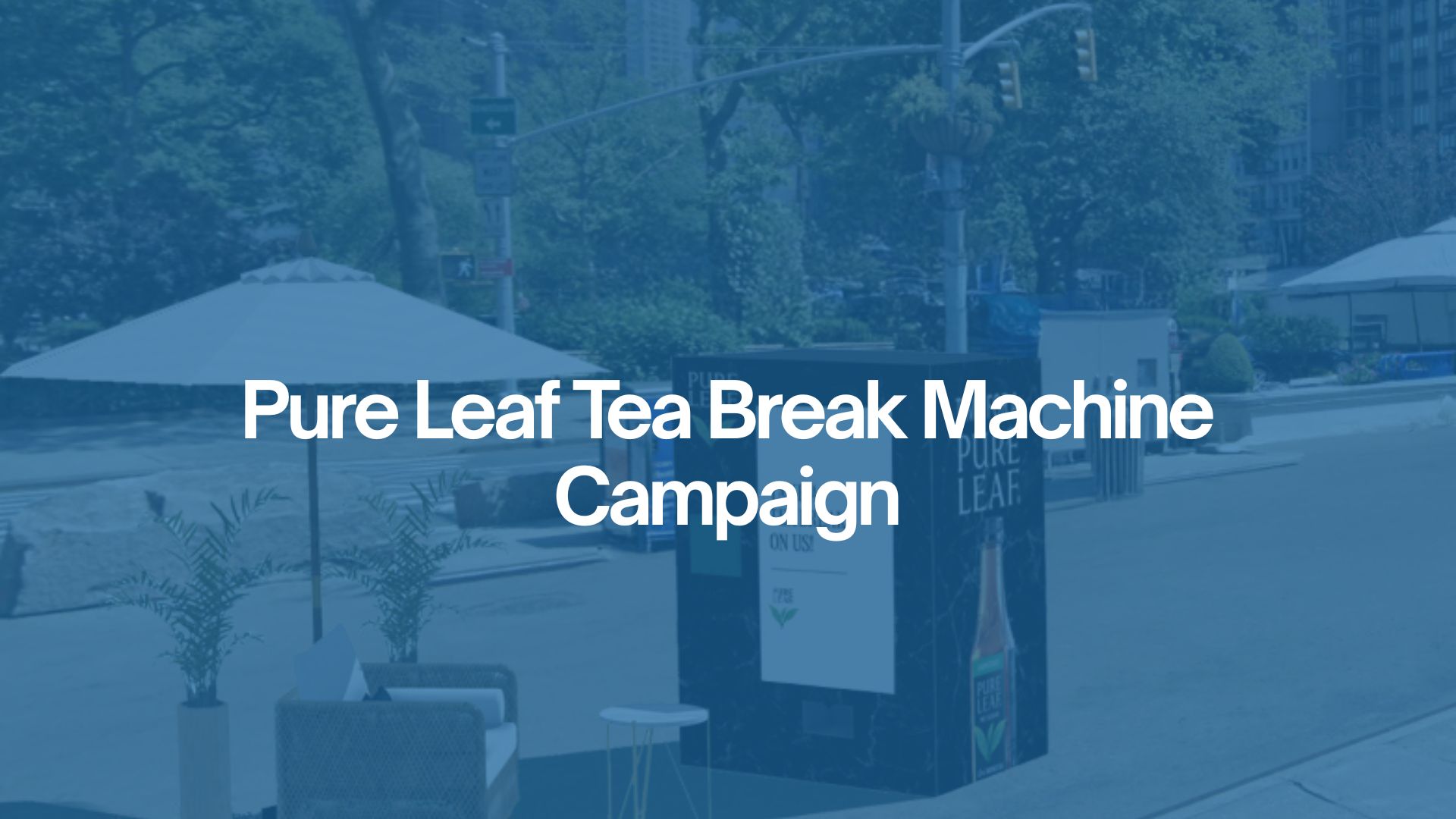
4. Pure Leaf’s “Break Machine” Vending Pop‑Up in NYC
What happened: Pure Leaf teamed with Lindsay Lohan to launch a “Break Machine” in New York City. Visitors lock away their phones for 10 minutes in exchange for a free iced tea, turning a vending experience into a digital detox experiment.
Why this matters: This activation wins on both novelty and brand promise. By forcing a pause, Pure Leaf delivers on its “take a real break” positioning while generating social buzz. This innovative real-world stunt represents a compelling marketing trend.
What to do now:
- Spot audience pain points around tech or routines, then build activations that address them.
- Use local influencers or celebrities to amplify real-world experiences.
- Capture UGC during the activation for extended digital reach.
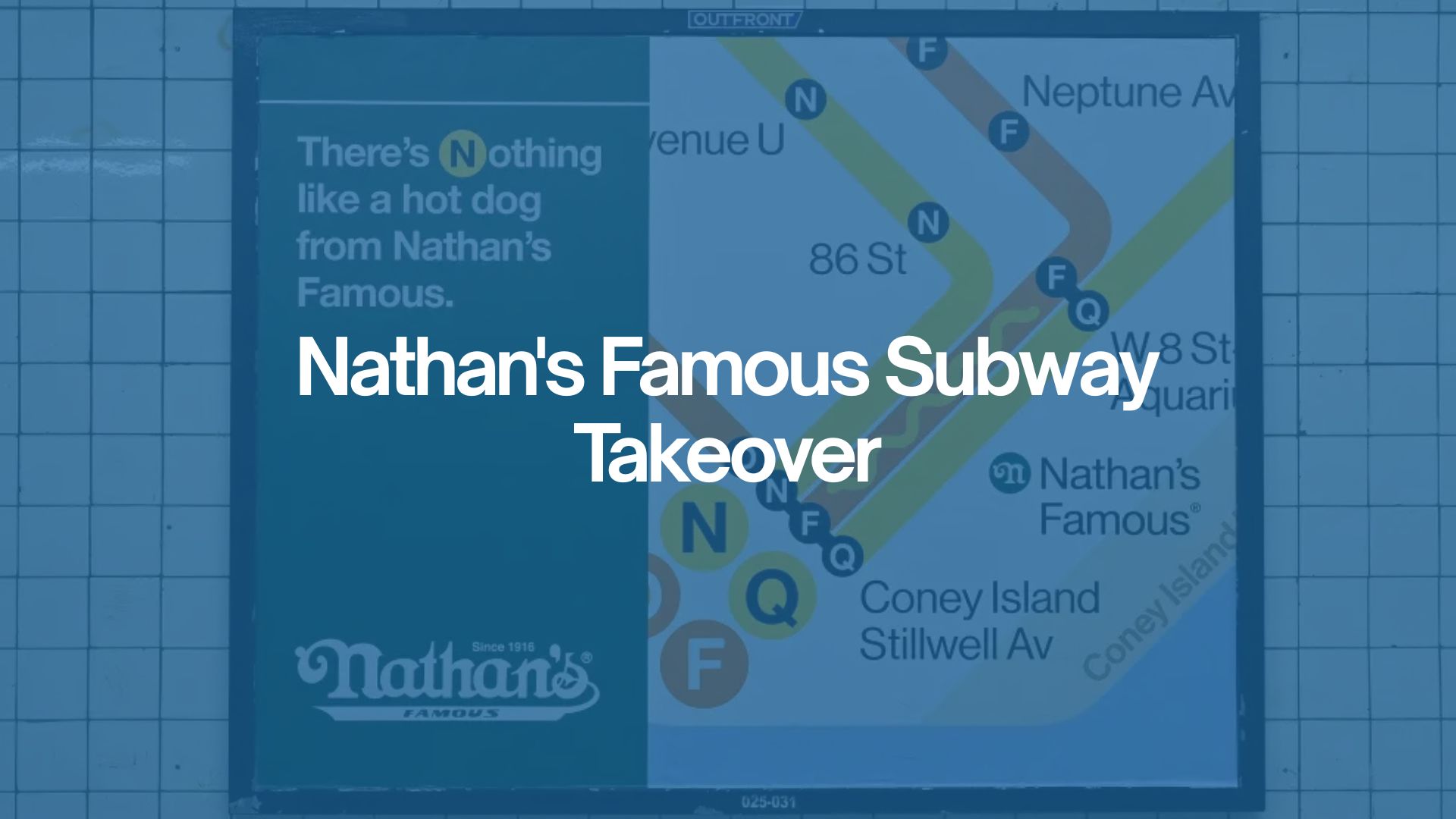
5. Nathan’s Famous “Follow the (F)rank Line” Subway Takeover
What happened: Nathan’s Famous commandeered the N, F, and Q subway lines in NYC. Maps, station signage, and digital screens carried the punny “Follow the (F)rank Line” creative, guiding riders to its Coney Island original location.
Why this matters: Wordplay plus hyper-relevant placement makes the brand an organic part of daily commutes. It’s guerrilla OOH that feels built-in rather than imposed, showcasing a creative marketing trend in out-of-home advertising.
What to do now:
- Identify public transit or pedestrian routes your audience uses most.
- Craft copy that riffs on local landmarks or route names for instant recognition.
- Tie in a mobile or web component—like a geofenced offer—to drive foot traffic.
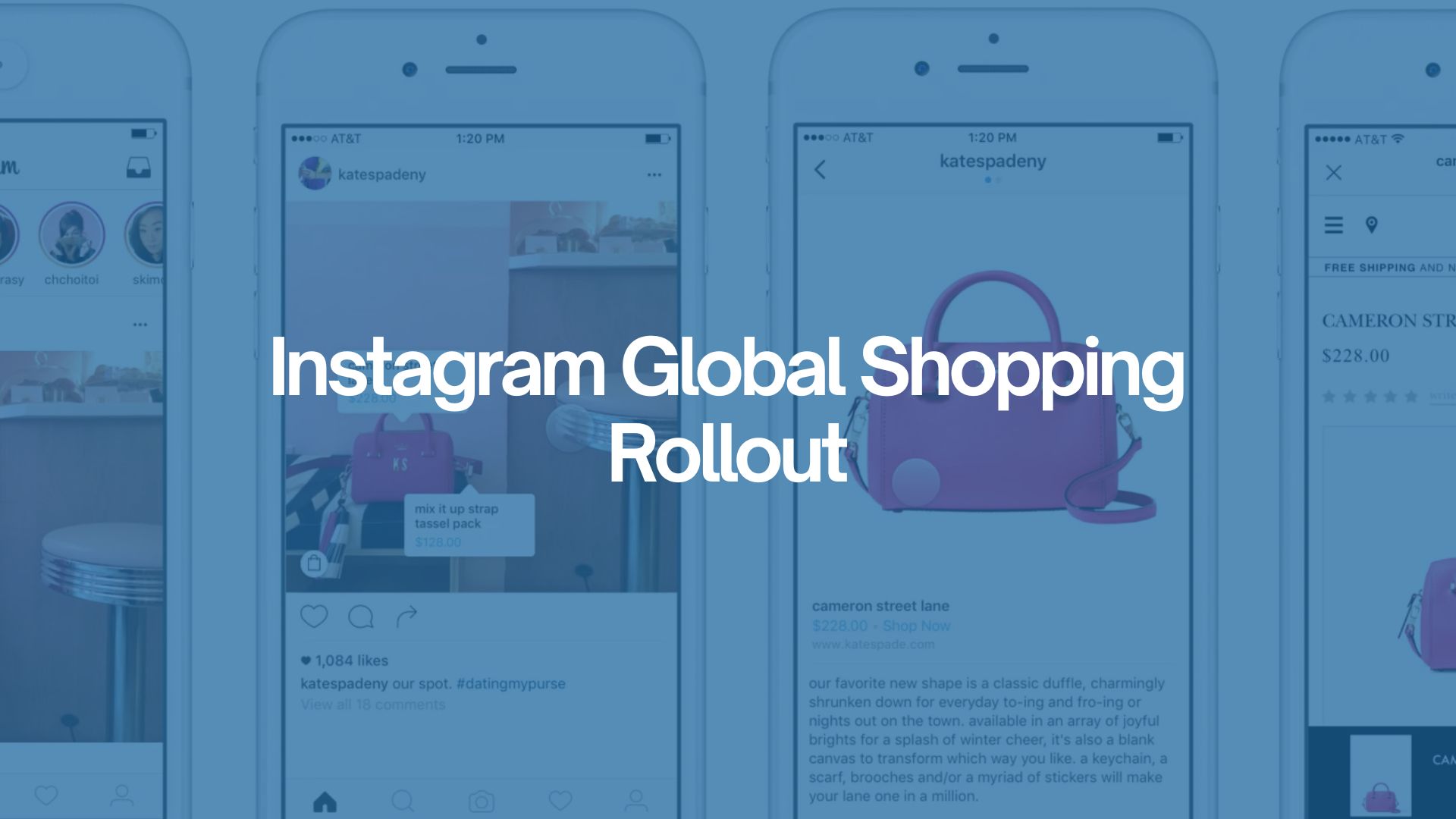
6. Instagram Expands Global Shopping Features
What happened: Instagram enabled shopping tags across Stories, Reels, Live, and Guides for all eligible business accounts worldwide, removing prior region limits.
Why this matters: Even small and mid-market brands can now embed shoppable experiences everywhere on the app. It shrinks purchase paths and levels the e-commerce playing field, highlighting a significant marketing trend in social commerce.
What to do now:
- Tag key products in your next wave of Reels and Stories to drive direct sales.
- Set up Instagram Checkout or link to a mobile-optimized store.
- Monitor UTM-powered links in Google Analytics for tailored performance insights.
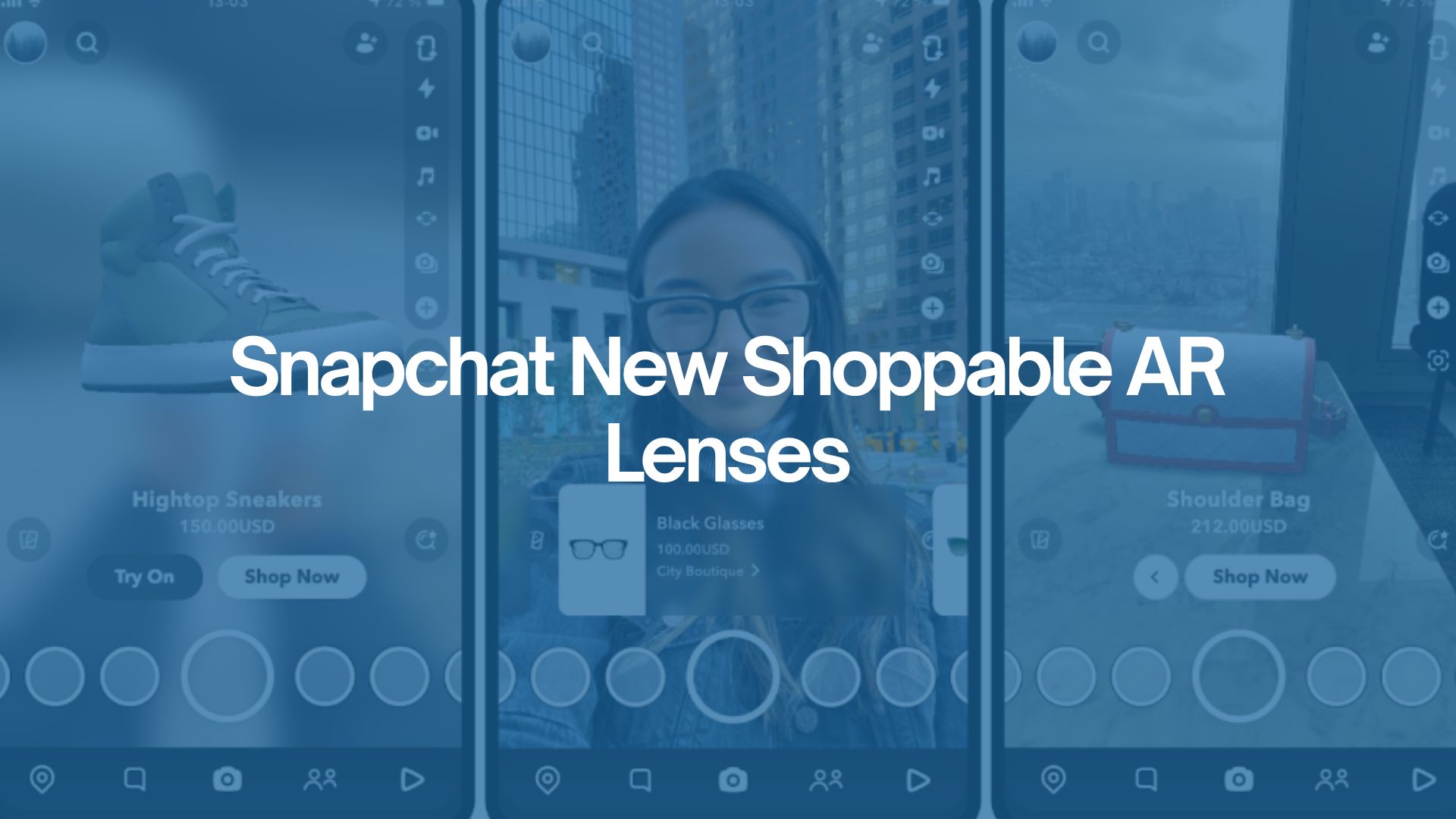
7. Snapchat Partners with Brands for Shoppable AR Lenses
What happened: Snapchat broadened its AR Shopping Lenses, partnering with beauty and fashion brands to offer virtual try-ons right in-app, complete with live product info and “Shop Now” buttons that lead directly to purchase.
Why this matters: Immersive, try-before-you-buy experiences are proven to boost conversion. Snapchat’s AR lenses now serve as virtual storefronts, blending entertainment with commerce—a powerful marketing trend for experiential shopping.
What to do now:
- Identify a core product line that benefits from virtual try-on or immersive demo.
- Work with Snapchat’s AR partners to build a branded lens with integrated shopping CTAs.
- Track engagement and incremental sales to justify future AR investments.
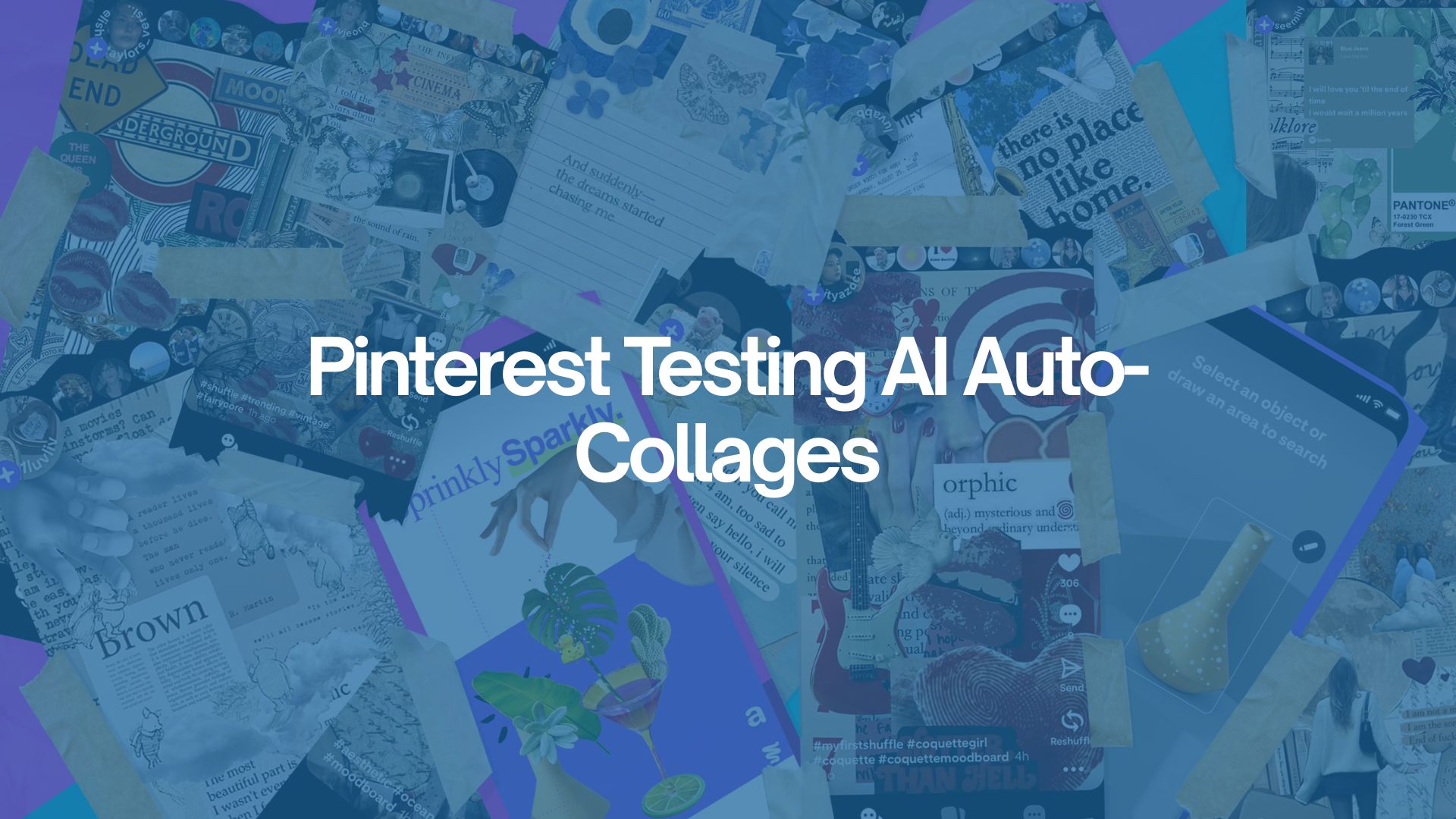
8. Pinterest Tests AI‑Powered “Auto‑Collages” for Shoppable Pins
What happened: Pinterest began experimenting with “auto-collages,” an AI feature that transforms advertiser product catalogs into stylized, shoppable collages—ready for pins, boards, and ad placements.
Why this matters: Collages offer visual inspiration and curate multiple products in one frame. Automating them with AI slashes design time and sparks discovery. This showcases the growing marketing trend of AI in creative content.
What to do now:
- Upload your product feed and trial the auto-collage feature in Ads Manager.
- Compare performance of AI-generated collages against hand-crafted creatives.
- Refine prompts and style inputs to align generated collages with brand aesthetics.
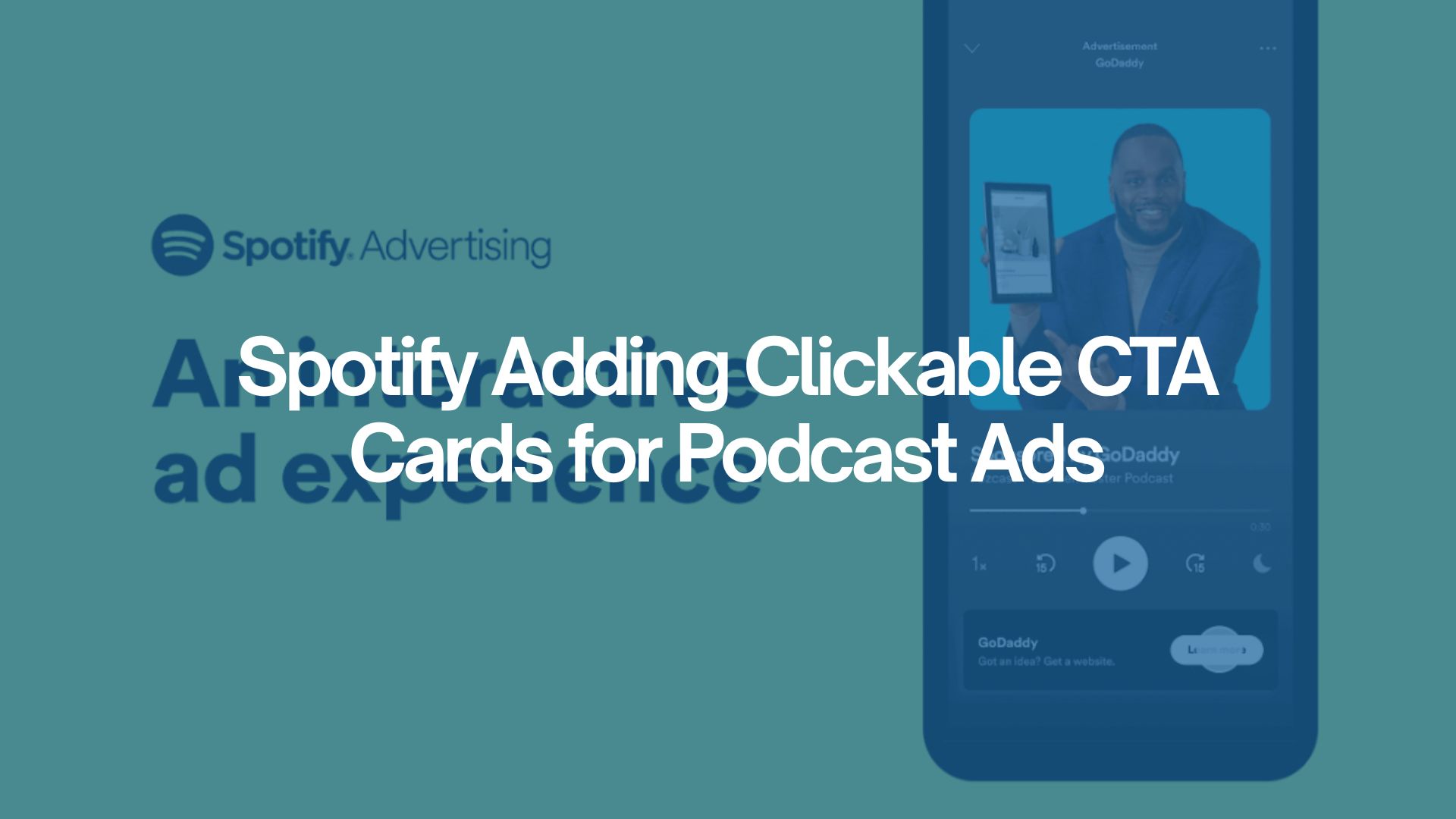
9. Spotify Launches Clickable CTA Cards for Podcast Ads
What happened: Spotify’s Streaming Ad Insertion now supports “Call-to-Action Cards”—clickable overlays that run in the app during podcast ads and linger for up to seven days, driving listeners to tap through for promotions or landing pages.
Why this matters: Podcast advertising gains measurability and direct response capability, turning listener attention into trackable site visits and conversions. This represents a significant marketing trend for audio advertising.
What to do now:
- Add CTA Cards to your next podcast campaign and A/B test different offers.
- Monitor click-through and downstream conversion rates to optimize visuals and copy.
- Integrate promo codes or limited-time deals for urgency and clear ROI.
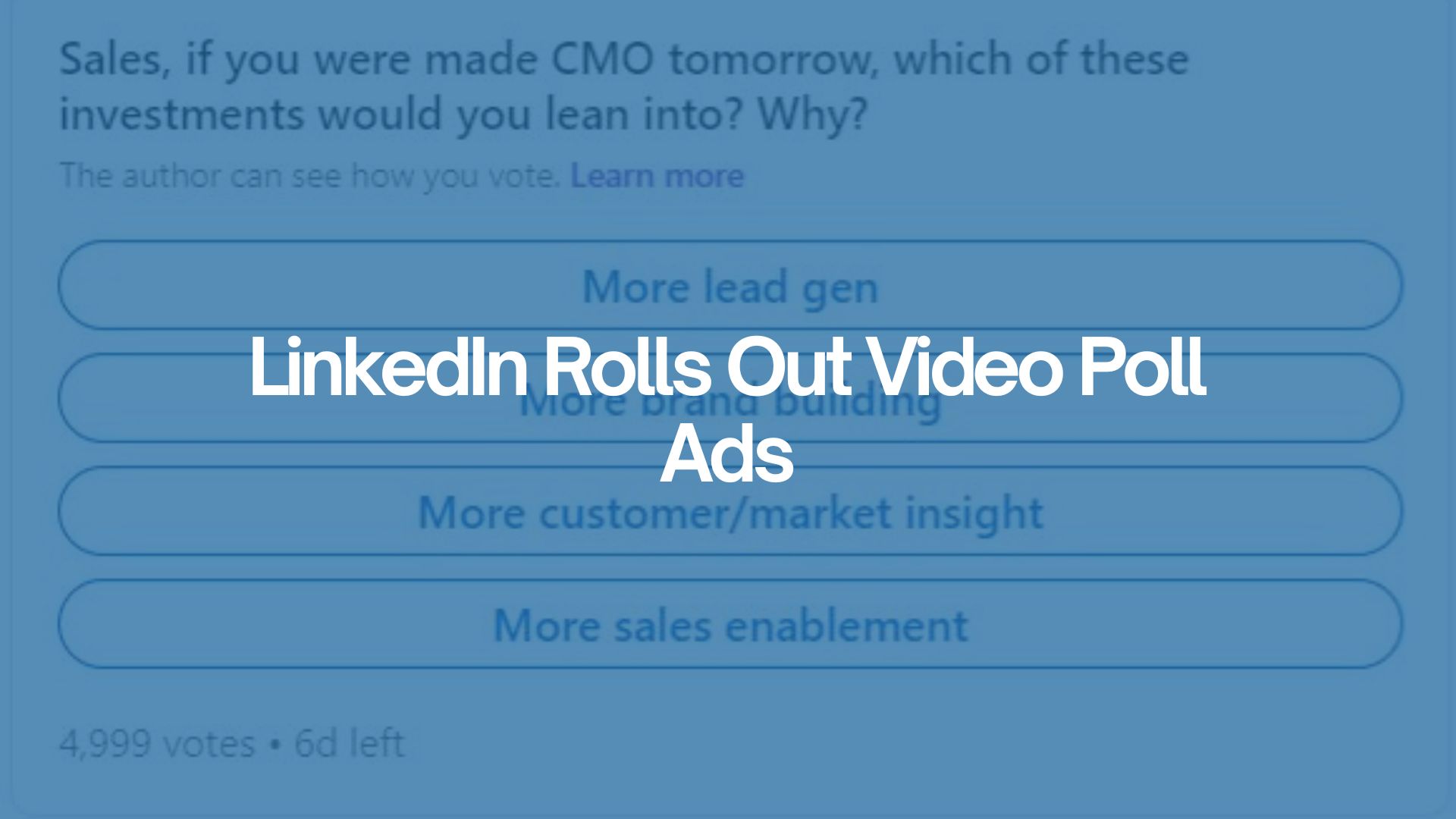
10. LinkedIn Rolls Out Video Poll Ads
What happened: LinkedIn launched Video Poll Ads in Campaign Manager—short video units with integrated two-option polls, designed to boost engagement and capture first-party data in-feed.
Why this matters: Polls drive participation, and video makes them more eye-catching. Brands can now gather audience preferences while delivering a narrative, reflecting an evolving marketing trend in B2B engagement.
What to do now:
- ELaunch a simple “Which benefit matters most—A or B?” poll in a new video ad.
- Use poll insights to inform product messaging or content angles.
- Retarget respondents with follow-up content tailored to their answers.
Ready to Turn Trends into Growth?
Want to learn more about how these trends can impact your company? Schedule a free marketing check up call with our Cadico team. We’ll review your current strategy, identify opportunities and share actionable insights tailored to your goals.
FAQ: Biggest Questions Answered This Week
Who qualifies for Trial Reels on Instagram? Any public account with 1,000 or more followers can now A/B test Reels before going public, allowing data-driven content decisions.
Can brands schedule posts natively on TikTok? Yes; Business and Creator accounts can schedule TikTok posts up to 10 days in advance directly in the mobile app, streamlining content calendars.
Is AR commerce proving its worth? Early brand partnerships on Snapchat report double-digit engagement lifts and measurable sales, demonstrating the effectiveness of immersive virtual try-on experiences.
Do AI‑generated visuals perform as well as human-designed ones? Pinterest’s auto-collages cut design time significantly; ongoing performance tests will reveal if these AI-powered creatives match or exceed the engagement of bespoke designs.
Want to learn more? Click here to read in-depth on everything from this week.
Instagram Trial Reels Expansion – SocialMediaToday
TikTok In‑App Scheduling – SocialMediaToday
YouTube Title A/B Testing – El País
Pure Leaf Break Machine – LBB Online
Nathan’s Subway Takeover – Brooklyn Paper
Instagram Shopping Rollout – Digilogy
Snapchat AR Shopping Lenses – Digilogy
Pinterest Auto‑Collages – TechCrunch