

Every week, the best marketers stay one step ahead by watching the latest marketing trends. This week, creative risks, evolving platforms, and AI breakthroughs are reshaping how brands communicate. From Sprite’s innovative heat-triggered billboards to YouTube’s crackdown on low-effort AI content, the smartest brands are adapting in real time. Here are 10 crucial marketing trends worth knowing and acting on to boost your business strategy.
Table of Contents
Hardee’s Summer Spot Features The Rizzler
Polaroid Launches Analog-Focused OOH Campaign
Audi Rolls Out “Advantage Audi” OOH Around Wimbledon
YouTube Cuts Monetization for AI and Low-Effort Videos
Shein Fined €40 Million in France for Misleading Discounts
U.S.-Only TikTok App Development Accelerates
Prime Day Participation Drops Among Amazon Sellers
Google Unveils AI-Powered Ad Tools in India
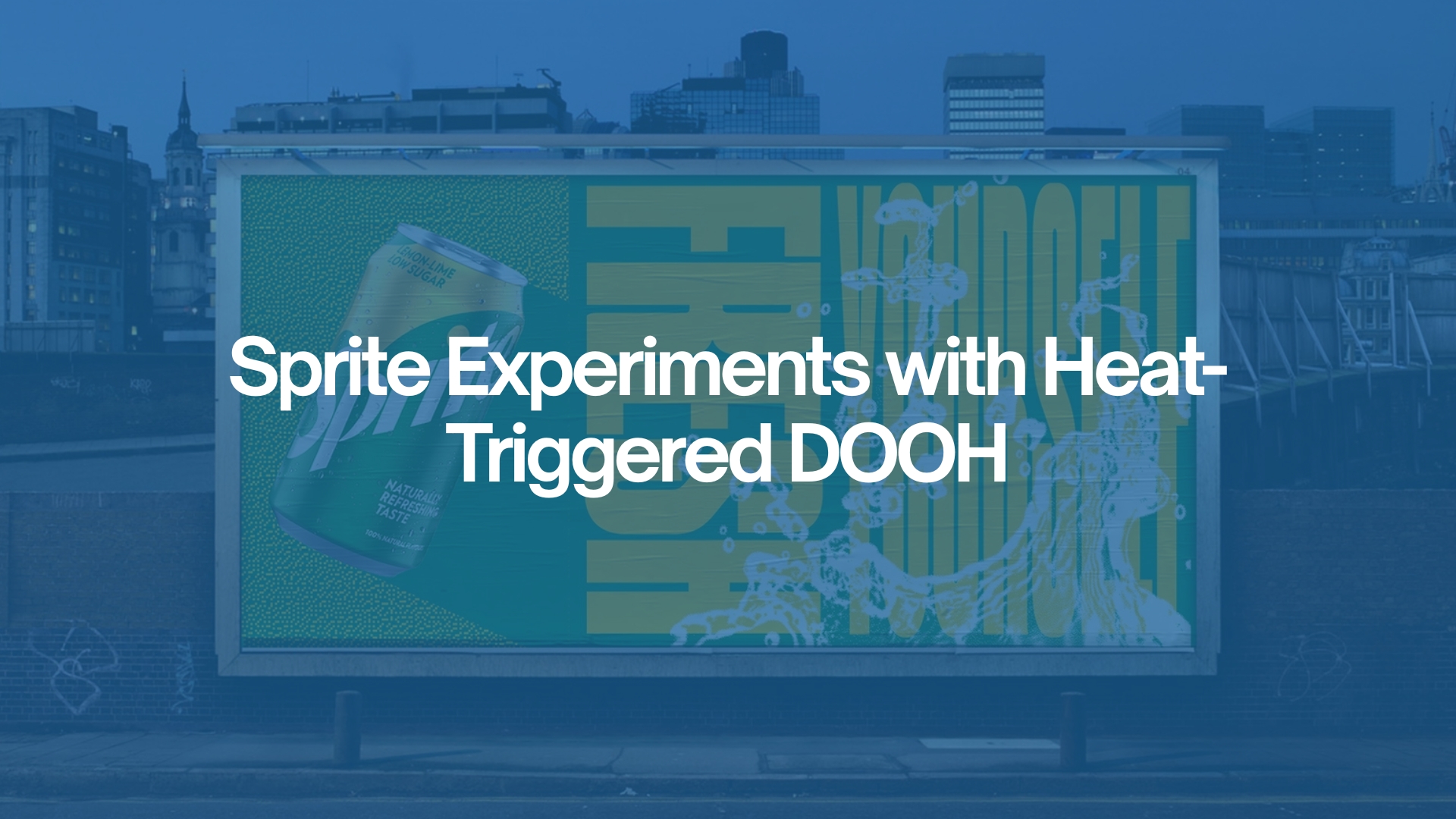
Sprite Experiments with Heat-Triggered DOOH
Adobe Introduces Generative AI Agents for Marketing

1. Hardee’s Summer Spot Features The Rizzler: The Power of Creator-Driven Virality
What Happened:
Hardee’s released a summer ad featuring TikTok star The Rizzler and country artist Ashley Cooke. The spot stages a poolside rescue with their new BBQ Pulled Pork Frisco sandwich, with The Rizzler saving the day in comical slow motion. The ad quickly picked up steam online thanks to its absurd tone and clever character casting.
Why This Matters for Marketing Trends:
This is a strong example of meme culture meeting smart brand play, a key marketing trend leveraging creator-driven virality over traditional celebrity endorsements. Instead of pouring money into celebrity endorsements, Arby’s created organic buzz through a creator with internet momentum, cultural timing, and playful visuals.
What to Do:
- Collaborate with creators who already have internet momentum and align with your brand’s playful side.
- Let humor and authentic character moments do the heavy lifting in your creative.
- Pair seasonal campaigns with quirky, low-lift production strategies to maximize impact.
2. Polaroid Launches Analog-Focused OOH Campaign: Countering Digital Overload
What Happened:
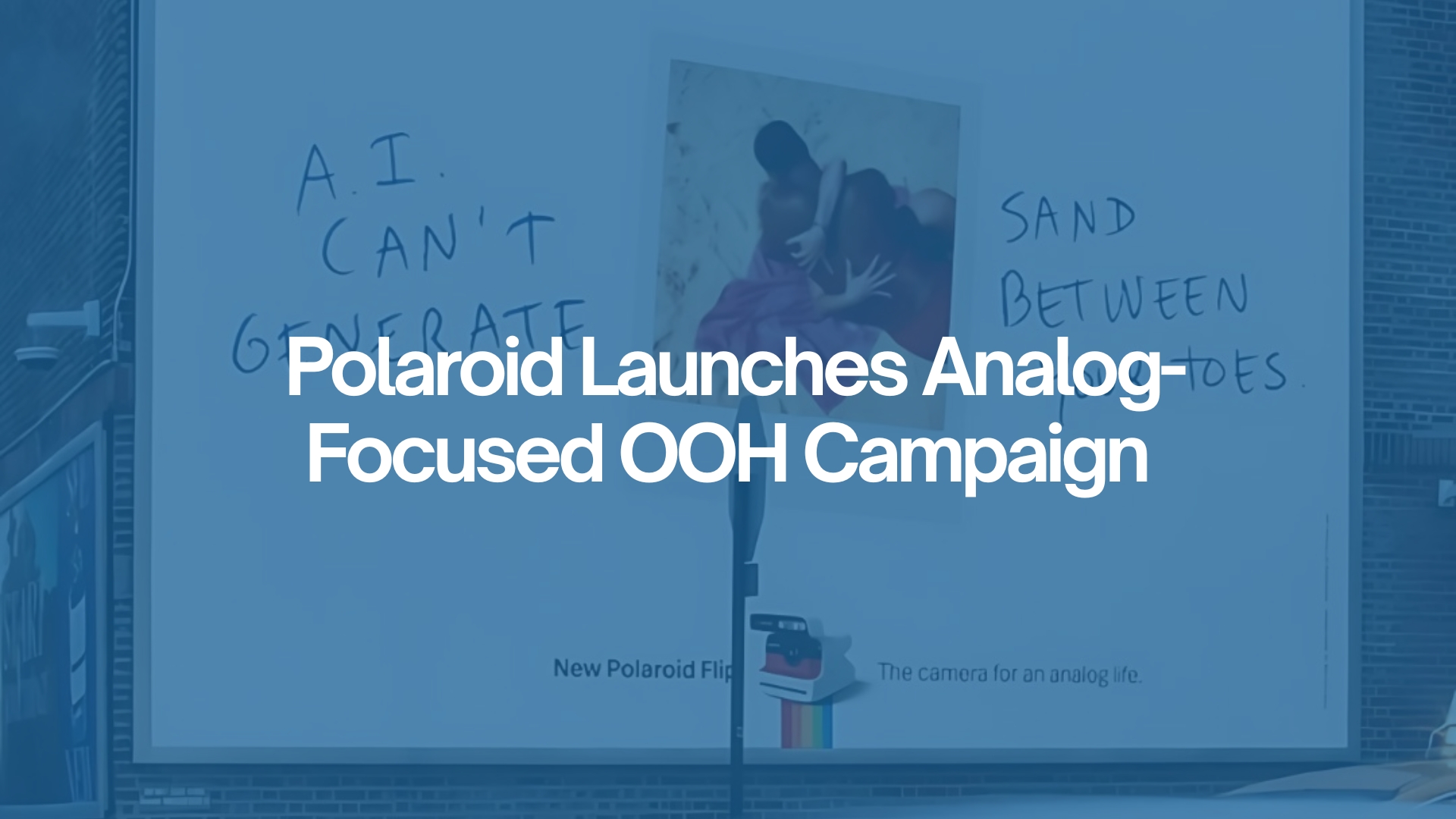
Polaroid launched a nostalgic campaign across NYC, London, and Paris. They plastered walls with real Polaroid pictures and ran billboard ads with lines like “AI can’t generate sand between your toes.” The campaign was paired with unplugged photo walks encouraging people to step away from their phones and recapture real-life moments.
Why This Matters for Marketing Trends:
This marketing trend directly addresses a cultural tension: people are overwhelmed by screens, AI, and digital overload. Polaroid is betting that analog feels fresh again, smartly positioning physical products as emotional solutions to digital fatigue.
What to Do:
- Find emotional tensions your brand can speak into authentically.
- Test analog or real-world activations for higher emotional impact and connection.
- Use visuals and copy that cleverly contrast digital saturation, highlighting your unique value.

3. Audi Rolls Out “Advantage Audi” OOH Around Wimbledon: Mastering Minimalist Messaging
What Happened:
Audi dropped sleek outdoor ads during Wimbledon with tennis balls shaped into their iconic four-ring logo and the simple line “Advantage Audi.” The placement was strategic, showing up near transit hubs and walkways around the tournament grounds.
Why This Matters for Marketing Trends:
This highlights a potent marketing trend in Out-of-Home (OOH) advertising: the best campaigns say a lot with very little. This one works because it connects cultural relevance with a clean brand identity, proving that less can be more when executed strategically.
What to Do:
- Match your creative to major cultural moments your audience is already part of.
- Keep visuals simple and intrinsically connected to your brand’s existing assets.
- Use minimalist messaging that encourages a second look and leaves a lasting impression.
4. YouTube Cuts Monetization for AI and Low-Effort Videos: Prioritizing Originality
What Happened:
YouTube announced it will begin restricting monetization on content that is AI-generated, repetitive, or lacks meaningful editing or commentary. Starting July 15, only videos that add value or originality will qualify for ad revenue.
Why This Matters for Marketing Trends:
YouTube is sending a clear message, influencing a critical marketing trend: thoughtless AI content won’t cut it. The platform wants to reward creativity, insight, and effort. Marketers who use AI must still find ways to elevate it with compelling storytelling or skilled editing. This pushes brands to add human value to AI-generated content.
What to Do:
- Always add human voice, perspective, or unique edits to any AI-generated content you publish.
- Avoid uploading raw AI output without significant value-add or transformation.
- Reassess monetization strategies for any automated video workflows to ensure compliance and quality.
5. Shein Fined €40 Million in France for Misleading Discounts: The Rise of Price Ethics
What Happened:
Shein was hit with a €40 million fine after France’s consumer watchdog found that many of its discounts were deceptive. More than 50 percent of items were never actually sold at their “original” price before being marked down.
Why This Matters for Marketing Trends:
This underscores an evolving marketing trend: global regulators are cracking down on fake pricing tactics. Even popular online retailers are being held to new standards for transparency. This signals a bigger shift toward price ethics and honesty in e-commerce, where consumer trust is paramount.
What to Do:
- Ensure all discounts genuinely reflect true pricing history and previous sales.
- Avoid inflating prices before a sale to create artificial urgency or perceived value.
- Train your teams to meticulously document and verify all pricing claims to prevent legal issues and maintain trust.
6. U.S.-Only TikTok App Development Accelerates: Preparing for Platform Fragmentation
What Happened:
Reports suggest TikTok is developing a separate U.S.-only version of the app with new data infrastructure, algorithms, and moderation guidelines. This move is meant to comply with government pressure and keep the app live in the U.S.
Why This Matters for Marketing Trends:
If TikTok splits into a domestic and global version, marketers will need to rethink their targeting, creatives, and influencer partnerships—a significant marketing trend impacting social media strategy. What works globally may not translate inside a U.S.-only ecosystem, requiring more nuanced regional approaches.
What to Do:
- Begin preparing region-specific TikTok content plans, anticipating potential divergence.
- Monitor performance shifts closely if app behavior diverges by region or version.
- Stay flexible with creative and platform testing across both potential versions to optimize reach and engagement.
7. Prime Day Participation Drops Among Amazon Sellers: Prioritizing Profitability
What Happened:
Thousands of Amazon sellers are scaling back or skipping Prime Day this year. Rising logistics costs, tariff increases, and thinner margins are making the event less attractive—even for high-volume sellers.
Why This Matters for Marketing Trends:
This highlights a crucial marketing trend in e-commerce: Prime Day is no longer an automatic win. Sellers are thinking harder about what offers truly make sense. Volume without margin isn’t smart business, and more brands are focusing on profitability over sheer participation in high-pressure sales events.
What to Do:
- Evaluate your true costs and potential profit margins meticulously before committing to major sales events.
- Promote your brand and products strategically outside of high-pressure sales calendars.
- Use data to determine which products actually win during events, focusing on high-margin items.
8. Google Unveils AI-Powered Ad Tools in India: AI as Your Daily Ad Toolkit
What Happened:
Google introduced AI-generated ad tools and real-time optimization updates during its Marketing Live India event. These tools include smart copy, auto-suggested visuals, and integrated AI-driven performance boosts across search and display.
Why This Matters for Marketing Trends:
AI is moving beyond buzz and into your daily ad toolkit, a major marketing trend for automation and efficiency. Google’s rollout in India may foreshadow global access soon. Brands who test these tools early will gain a significant learning edge and optimize their ad spend more effectively.
What to Do:
- Start piloting AI creative in low-risk campaigns to understand its capabilities.
- Rigorously compare AI-generated copy and visuals to traditional content for performance metrics.
- Train your teams on how to review and refine AI outputs to ensure they consistently stay on-brand and meet quality standards.
9. Sprite Experiments with Heat-Triggered DOOH: Context-Aware Advertising
What Happened:
Sprite launched dynamic digital billboards in Europe, Australia, and Asia that only activate when temperatures hit a certain high. These context-aware ads promote Sprite as a cold, refreshing solution just when people need it most.
Why This Matters for Marketing Trends:
This demonstrates how Digital Out-of-Home (DOOH) is getting smarter, a progressive marketing trend in advertising. Tying ad visibility to real-time environmental conditions dramatically increases relevance and impact. Expect more brands to adopt this kind of reactive and hyper-contextual media.
What to Do:
- Build campaigns around contextual data triggers, such as weather, time of day, or local events.
- Test DOOH alongside mobile and in-app tie-ins for full-funnel lift and integrated campaigns.
- Consider dynamic creative that adapts automatically to changing external conditions for maximum relevance.
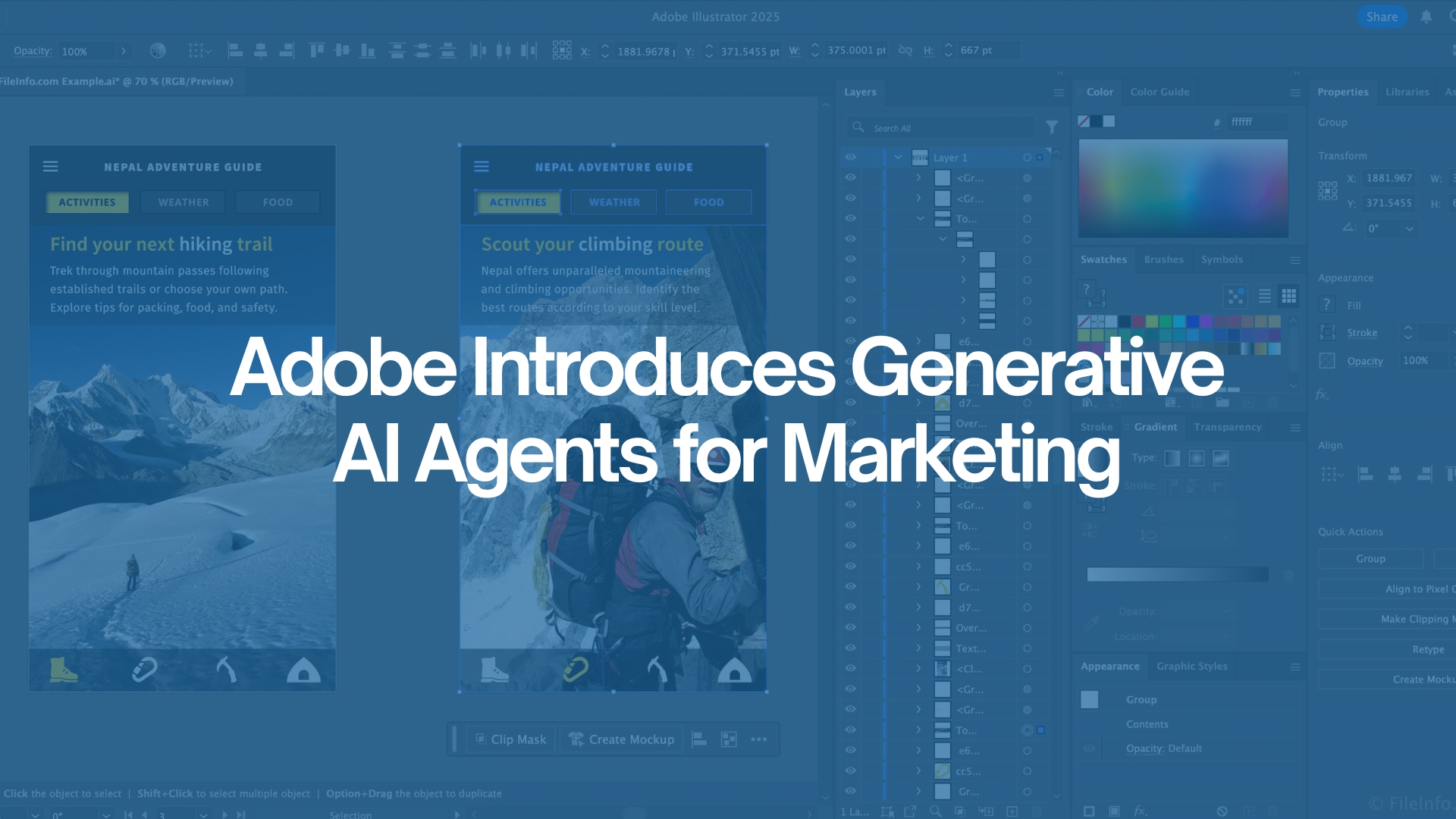
10. Adobe Introduces Generative AI Agents for Marketing: AI as a Strategic Co-Pilot
What Happened:
Adobe launched a suite of generative AI agents designed to help marketers create, optimize, and scale campaigns. Early testers like Marriott and Coca-Cola are using them for multilingual content creation, audience segmentation, and performance recommendations.
Why This Matters for Marketing Trends:
These are more than tools—they’re assistants that work alongside your team, signaling a transformative marketing trend in AI adoption. As AI agents get smarter, they will significantly influence campaign speed, strategy, and personalization capabilities. They act as powerful co-pilots for strategic execution.
What to Do:
- Identify repetitive, time-consuming tasks within your marketing workflow that AI agents can help streamline.
- Pilot one or two specific use cases, such as content localization or channel-specific content tweaks.
- Build robust feedback loops to ensure quality control and alignment with your brand voice and strategic goals.
Want Help Turning These Marketing Trends into Wins?
These aren’t just headlines. They are crucial clues to how your brand can grow faster and stay ahead in a rapidly evolving landscape.
Schedule a free marketing check-up call with Cadico. We’ll walk through your current strategy and help you apply the insights that matter most to your business.
Biggest Questions Answered This Week About Marketing Trends
Is AI-generated video allowed on YouTube for monetization? Yes, but only if you add original editing, unique insights, or significant value to the content. Raw AI output is likely to be demonetized.
Is TikTok creating a separate U.S. app? It’s highly likely, based on recent reports and government pressure. Marketers should begin preparing for potential platform fragmentation and regional content strategies.
Should Amazon sellers still participate in Prime Day? Only if your profit margins hold up. Profitability is becoming the top filter for event participation, with many sellers scaling back due to rising costs.
Are AI marketing agents replacing human marketers? Not yet, but they are becoming powerful co-pilots for campaign strategy, execution, and content creation, streamlining workflows and enhancing personalization.
What are the top marketing trends shaping the industry this week? This week’s top marketing trends revolve around the strategic integration of AI, the importance of creative risks that resonate culturally, the evolution of digital platforms like YouTube and TikTok, and a renewed focus on transparency and profitability in e-commerce and advertising.