

This week’s marketing headlines blend real-world innovation, shifting platform policies, and brand boldness. IKEA captured candid sleep talk, TikTok empowered viewers to fact-check content, and small businesses continue adapting to new trade rules and creative risks. Ideal for small business owners and marketers looking for actionable ideas—here are 10 marketing trends to know and act on.
Table of Contents
IKEA Uses Real Sleep Talkers in Mattress Ads
Astronomer Leverages Gwyneth Paltrow for Crisis Response
American Eagle Faces Cultural Backlash Over “Great Genes” Ad
YouTube Eases Profanity Rules for Monetized Videos
TikTok Adds U.S. Community Fact-Checking Feature
Meta Bans Political Ads Across the EU
U.S. Ends De Minimis Exemption Impacting Small E-Commerce
TikTok Unveils AI-Driven Ad Tools for Small Businesses
Small Business Brand Activism Gains Credibility
Cybersecurity Trends Reshape Small Business Marketing
1. IKEA Uses Real Sleep Talkers in Mattress Ads
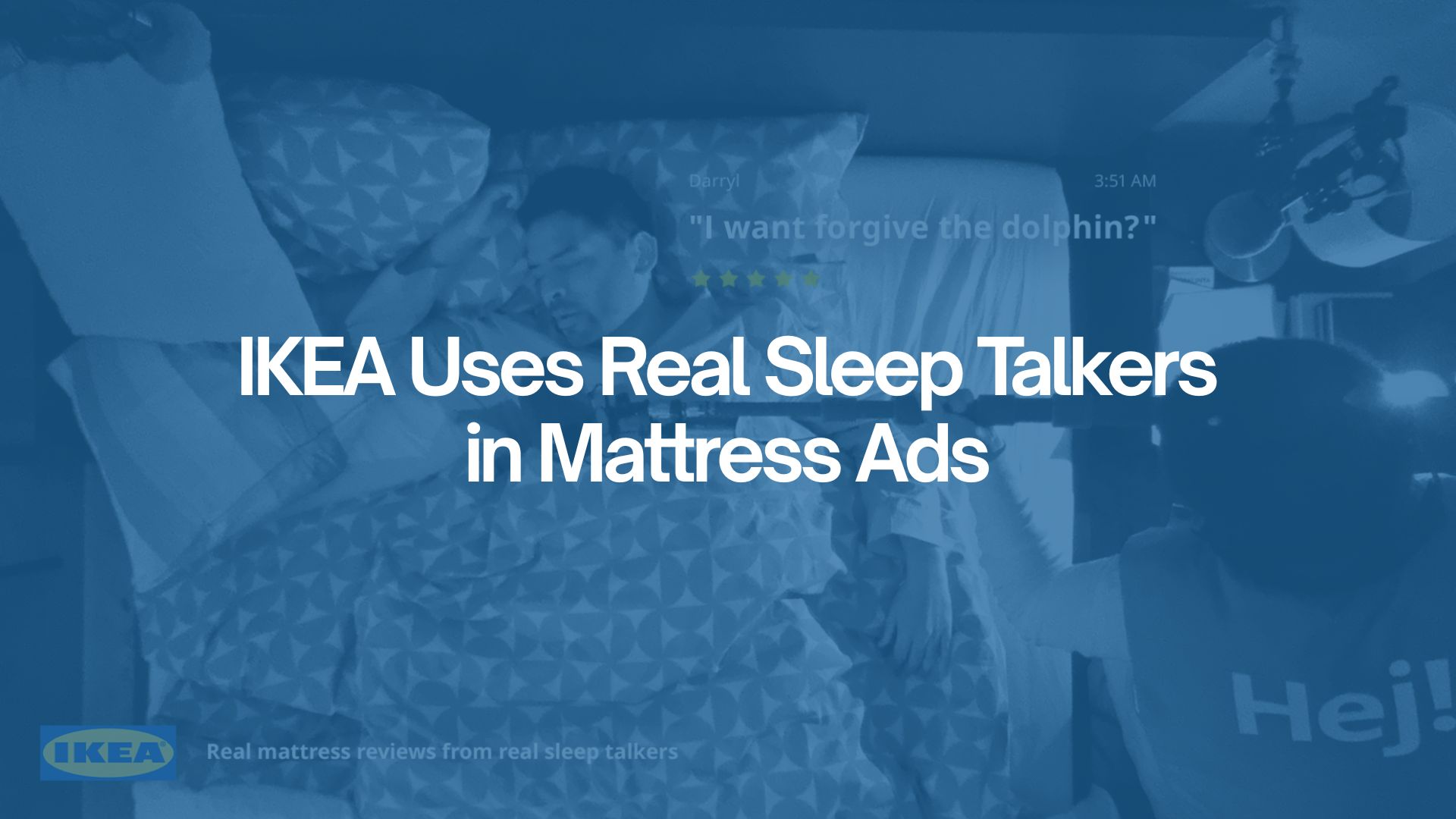
IKEA created an authentic and humorous campaign by using real-world customer sleep talk to promote its mattresses.
What happened: IKEA’s creative campaign recorded voice snippets from actual customers talking in their sleep after sleeping on store mattresses. Those candid comments became product endorsements across OOH, radio, and social platforms in Toronto as “Sleep Talk Reviews.”
Why this matters: It’s a standout example of authentic customer experience turned into marketing gold. The content is unpredictable, humorous, and utterly human, building genuine brand trust.
What to do:
- Invite genuine customer feedback, even in quirky formats.
- Use real, unscripted moments to tell brand stories with credibility.
- Repurpose unusual content across channels for maximum reach.
2. Astronomer Leverages Gwyneth Paltrow for Crisis Response
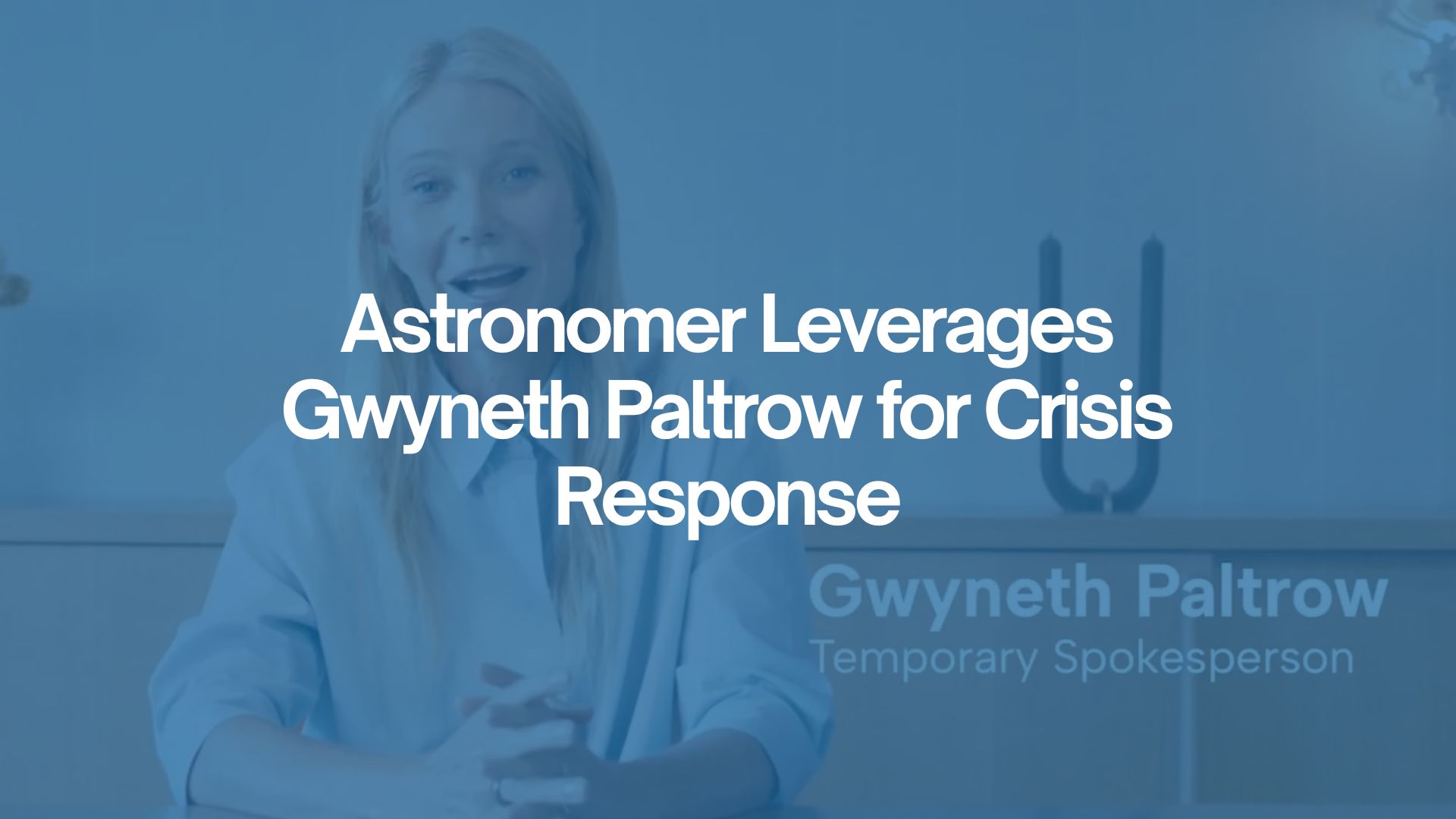
Astronomer used a humorous video featuring an unexpected celebrity, Gwyneth Paltrow, to humanize its crisis response and quickly reset the narrative.
What happened: After a public relations setback, Astronomer released a humorous video featuring Gwyneth Paltrow answering common questions about the incident. The tone was light, cheeky, and reset the narrative quickly.
Why this matters: Instead of a staid statement, the brand used surprise and humor to reclaim control. It demonstrates that tone and storytelling matter even, or especially, in tough situations.
What to do:
- Use a humanizing tone to address issues.
- Consider unexpected voices or talent to shift public perception.
- Turn negative attention into creative engagement, without downplaying the core issue.
3. American Eagle Faces Cultural Backlash Over “Great Genes” Ad
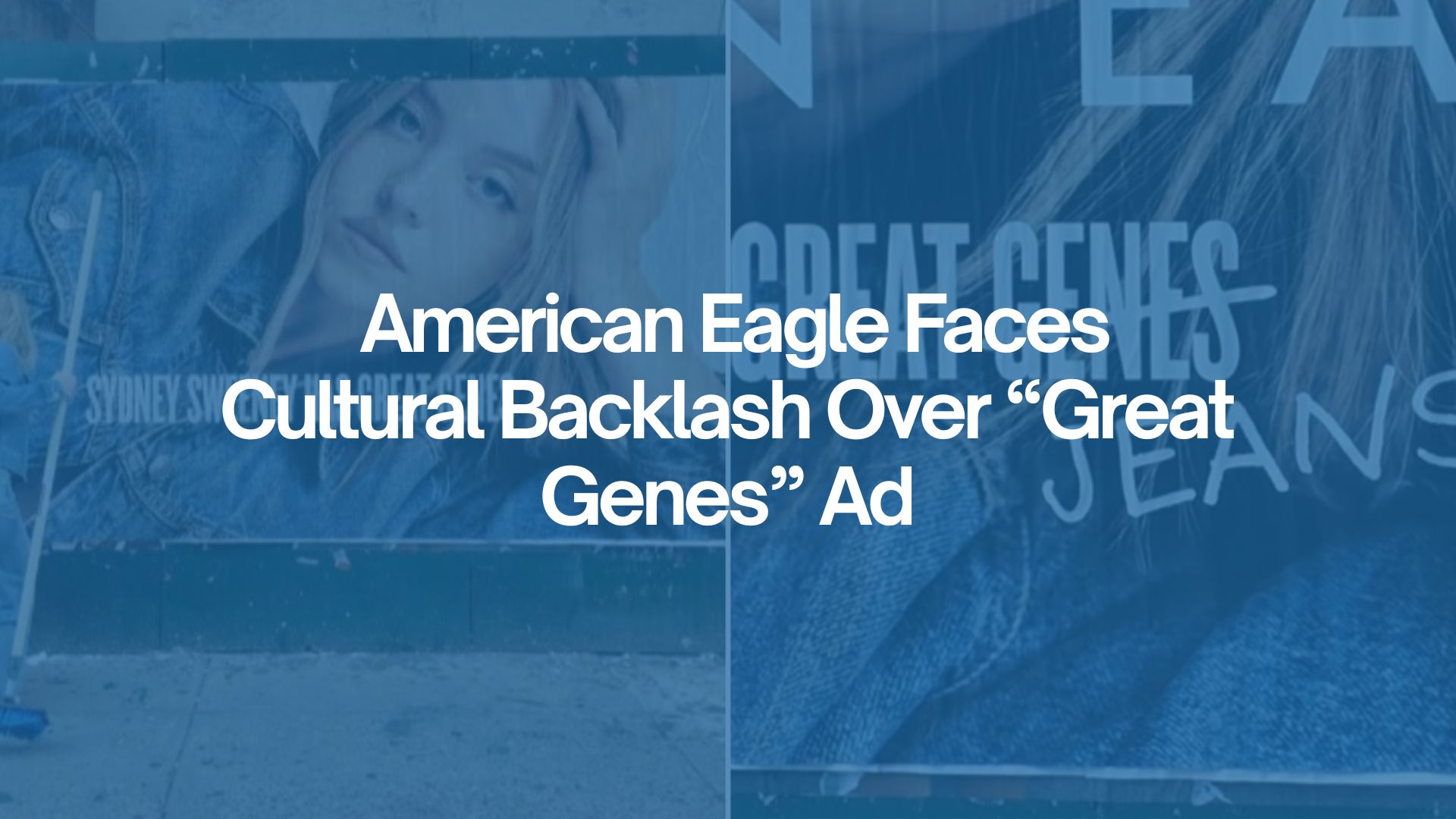
This American Eagle campaign shows that brands must pre-test messaging for unintended cultural meanings to avoid large-scale backlash, even if it generates attention.
What happened: American Eagle’s campaign with Sydney Sweeney used wordplay on “genes” versus “jeans.” Critics argued the ad evoked eugenic language and beauty tropes tied to white supremacy. Despite outrage, the campaign gained attention and a stock uptick.
Why this matters: Even small campaigns can trigger large cultural responses when language ties into sensitive themes. Brands need to balance edginess with careful, inclusive communication.
What to do:
- Pre-test campaign messaging for unintended cultural meanings with diverse groups.
- Have a communication plan for criticism, even if it sparks some positive awareness.
- Be prepared with diverse representation and inclusive visuals to back up your brand values.
4. YouTube Eases Profanity Rules for Monetized Videos
YouTube’s updated policy allows for more creative flexibility, enabling creators and businesses to sound more natural without fear of losing ad revenue.
What happened: YouTube updated its policy to allow one strong swear word in the first seven seconds without blocking monetization. Frequent profanity or hate speech remains prohibited.
Why this matters: For small creators and businesses, this change adds creative flexibility without sacrificing ad revenue. Brands can sound more natural and authentic without fear of demonetization.
What to do:
- Review your brand’s tone guidelines and consider allowing more conversational language if appropriate.
- Use profanity sparingly and never in thumbnails or titles.
- Track monetization outcomes after implementing looser language to see the effect on your bottom line.
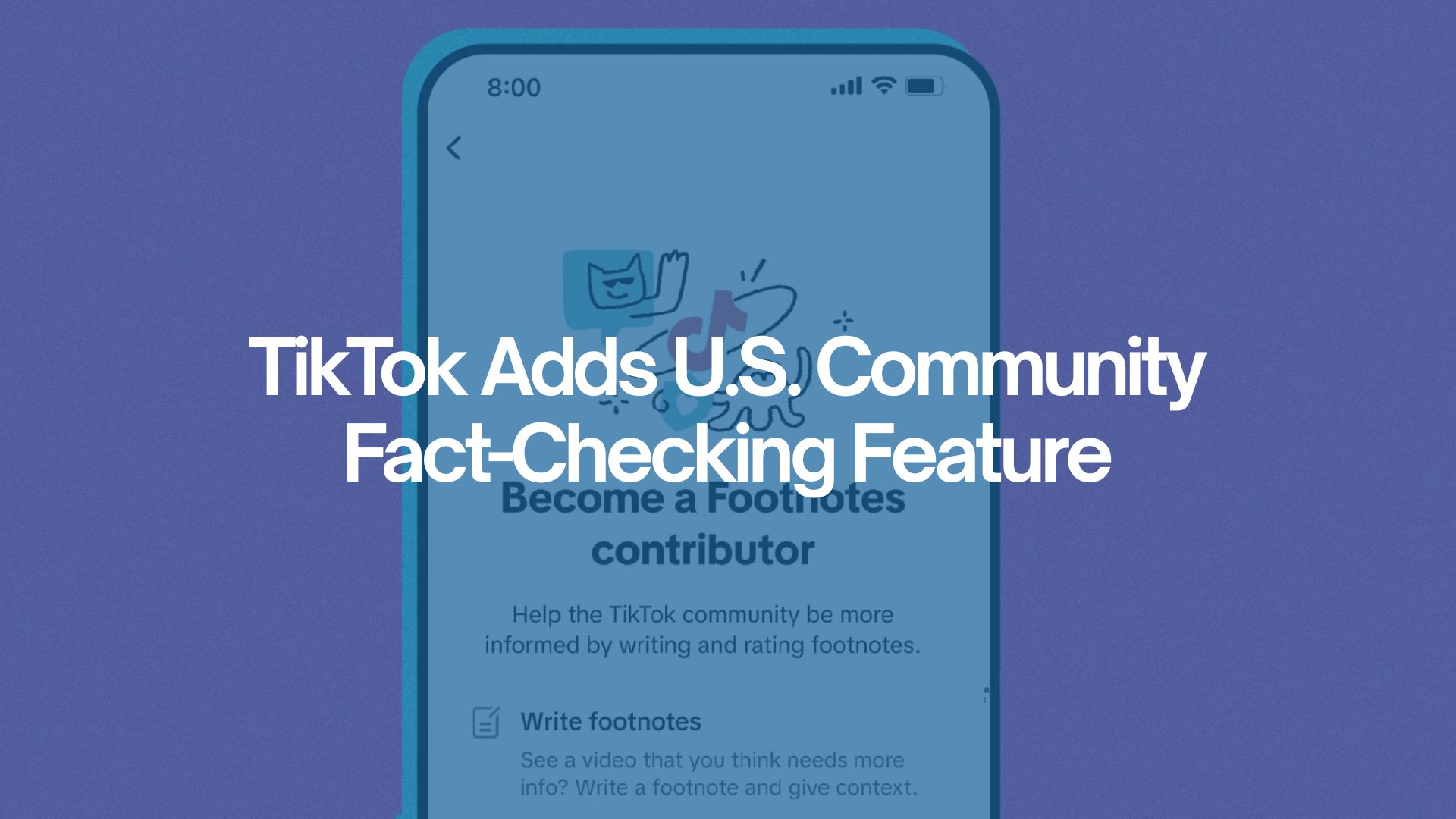
5. TikTok Adds U.S. Community Fact-Checking Feature
TikTok’s new “Footnotes” tool empowers users to add context or corrections to videos, giving brands an opportunity to increase their credibility by responding swiftly and transparently to misinformation.
What happened: TikTok launched “Footnotes,” a U.S.-based community fact-check tool. Users can add context or corrections to videos, and peer-reviewed notes may appear under content deemed questionable.
Why this matters: Brands gain visibility for accuracy when they correct misinformation. This tool empowers communities to hold content, and brands, accountable.
What to do:
- Respond swiftly when wrong or misleading information surfaces about your brand.
- Encourage fans and followers to contribute fact-checks when helpful.
- Label AI-generated or scripted content transparently to avoid confusion and build trust.
6. Meta Bans Political Ads Across the EU
Meta’s decision to prohibit political ads in the EU means European advertisers must audit their ad themes carefully to avoid content that could be perceived as political or ideological.
What happened: Meta confirmed it will prohibit all ads about elections, politics, or public issues in the EU from October, responding to new rules around transparency and data protection.
Why this matters: Small business advertisers in Europe must avoid content perceived as political or ideological. Even charitable messaging can risk rejection.
What to do:
- Audit ad themes to avoid policy risk; focus on product, service, or lifestyle messaging.
- Use organic content to tell social or civic stories instead of paid ads.
- Separate campaigns: one for sales and one for institutional storytelling.
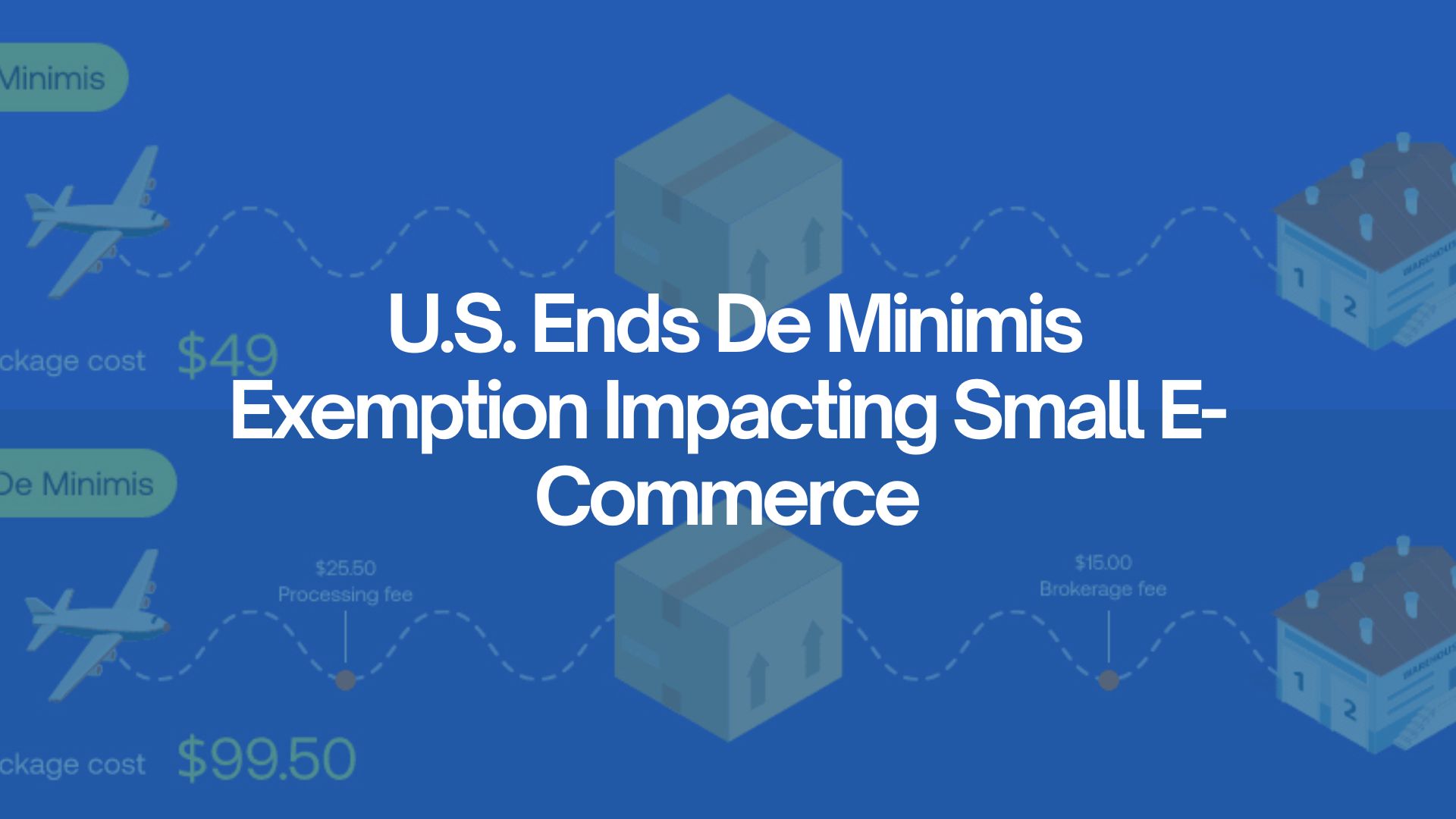
7. U.S. Ends De Minimis Exemption Impacting Small E-Commerce
The end of the de minimis trade exemption will likely cause rising costs for small e-commerce retailers who import goods and may require them to adjust pricing or sourcing.
What happened: The U.S. revoked its de minimis trade exemption, meaning packages valued under $800 are no longer duty-free. This impacts low-cost international imports at scale.
Why this matters: Small retailers importing goods will see rising costs, and may need to adjust product pricing or sourcing to preserve margins.
What to do:
- Recalculate the total cost of imported goods with duty included.
- Explore local or domestic vendors to reduce uncertainty and expense.
- Be transparent with customers about duty or shipping charges to maintain trust.
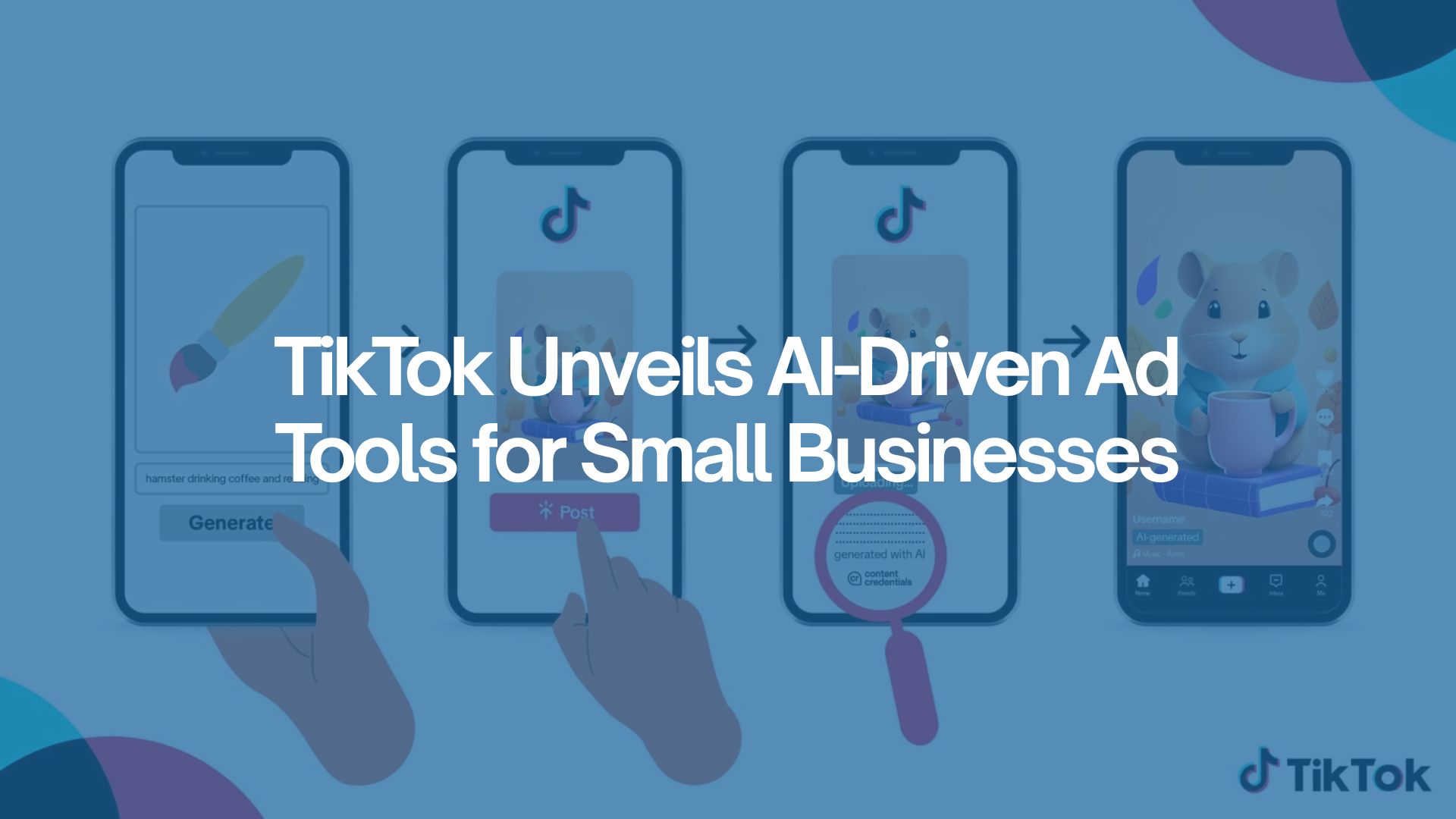
8. TikTok Unveils AI-Driven Ad Tools for Small Businesses
TikTok’s new AI-powered ad planning features give small businesses access to scaled optimization tools that help them compete with bigger brands without needing a large media team.
What happened: At TikTok World, the platform introduced AI-powered ad planning features, including keyword suggestions, creative previews, and negative keyword filtering for search-based campaigns.
Why this matters: Small businesses gain access to scaled optimization tools that help them compete with bigger brands, without a big media team.
What to do:
- Test the new Search Ads Center for campaign planning and efficiency.
- Use creative previews to align messaging before launching your campaign.
- Leverage negative keywords to avoid wasting ad spend on irrelevant searches.
9. Small Business Brand Activism Gains Credibility
A new study confirms that consumers respond positively to businesses that align with values and act locally, proving that community involvement builds meaningful purpose-driven campaigns and brand loyalty.
What happened: A new study on brand activism showed small business owners increasingly use civic involvement and co-creation with local communities to build loyalty and meaningful purpose-driven campaigns.
Why this matters: Consumers respond to businesses that align with values and act locally. Small business activism can create emotional bonds without the risk of global PR fallout.
What to do:
- Identify local causes or civic issues tied to your brand and audience.
- Show up, not just speak up, with volunteer or sponsorship efforts.
- Co-create messaging with community members for authenticity.
10. Cybersecurity Trends Reshape Small Business Marketing
As small businesses face rising cyber threats, marketing must now communicate a commitment to data protection and privacy as part of the brand promise to build and maintain customer trust.
What happened: Recent data shows small businesses are facing rising cyber threats, especially via IoT devices and online tools. Nearly 20% cite cost as the main barrier to protection, and cyber breaches now frequently hit company reputation more than technical assets.
Why this matters: Security failures erode customer trust and brand credibility. Marketing can no longer ignore tech resilience as part of the brand promise.
What to do:
- Share your commitment to data protection and privacy in marketing materials.
- Choose tools and platforms with basic security baked in.
- Provide customer-facing policies that reassure privacy-conscious buyers.
Ready to Take Action
Want to learn more about how these trends can impact your company? Schedule a free marketing check up call with our Cadico team. We’ll review your current strategy, identify opportunities and share actionable insights tailored to your goals.
FAQ: Biggest Questions Answered This Week
Can small brands benefit from unconventional campaigns?
Yes. IKEA’s sleep talkers and Astronomer’s Paltrow video show that authenticity and surprise beat polish every time.
How should small businesses prepare for policy changes?
Stay informed, update your sourcing or ad content, and communicate transparently with customers—especially if costs or rules are shifting.
Is AI marketing still out of reach for small teams?
Not anymore. Tools like TikTok’s automation, ChatGPT agents, and keyword planners give small teams professional-level scale.
Is it safe for small businesses to engage in activism?
Yes, if done authentically. Local or community-based activism resonates more than national politics, and it builds loyalty when it’s sincere.
Are consumers more critical of originality now?
Definitely. Platforms like Facebook now deprioritize reposts and recycled content. Fresh, valuable storytelling is how you stay visible in this competitive landscape.
Want to learn more? Click here to read in-depth on everything from this week.
IKEA “Sleep Talk Reviews” – Adweek arxiv.orgogilvy.com
Astronomer Paltrow crisis video – Fortune, Forbes FortuneFox Business
American Eagle “Genes/Jeans” backlash – AP, The Australian, Business Insider AP Newstheaustralian.com.auBusiness Insider
YouTube profanity policy change – TechCrunch, The Verge pcgamer.comtechcrunch.com
TikTok “Footnotes” feature – Business Insider, TMCNet blog.tmcnet.comBusiness Insider
Meta bans EU political ads – AP AP News
U.S. ending de minimis exemption – Politico Pro subscriber.politicopro.comsubscriber.politicopro.com
TikTok AI ad tools at TikTok World – Adweek adweek.com+1newsroom.tiktok.com+1
Small business brand activism research – Kristianstad University study quirks.com+5researchportal.hkr.se+5researchportal.hkr.se+5
Small business cybersecurity trends – Exploding Topics report explodingtopics.com+1en.wikipedia.org+1